The generational style gap: what divides Gen Z and Millennial fashion
Two generations, two trend cycles, and a lot to learn from each
 Credit:
Reviewed

Products are chosen independently by our editors. Purchases made through our links may earn us a commission.
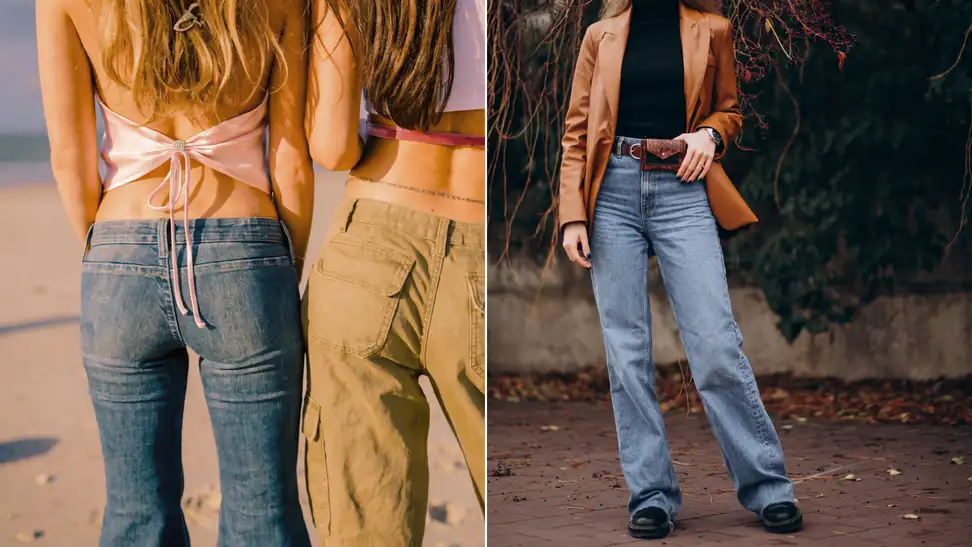
There’s a new “must-have” trend popping up seemingly every day. Whether it’s an aesthetic, like the Y2K revival, a silhouette, like funnel-neck coats and wide-leg jeans, or a color, like the butter-yellow craze, every element of the fashion cycle has become trendified. But there’s an interesting catch: Depending on age, two women could be watching completely different trend cycles play out.
Yes, the Gen Z vs. Millennial battle has popped up in just about every corner of culture. Whether it’s spending habits, taste in music, or sense of humor, these two generations have been pitted against each other time and time again. But nowhere is the divide more visible than in fashion, and that battle is a fierce one.
It makes sense that the debate over which styles are trendy, cringe, overdone, or basic carries so much emotion. The clothing we wear is much more than fabric; it expresses our personal tastes, our socioeconomic status, and, overall, our identities.
We decided to dig into the differences in how Gen Z and Millennials dress—not to rank one above the other, but to explore what drives these stylistic differences and offer some options to enhance both wardrobes.
Skinny jeans vs. wide-leg
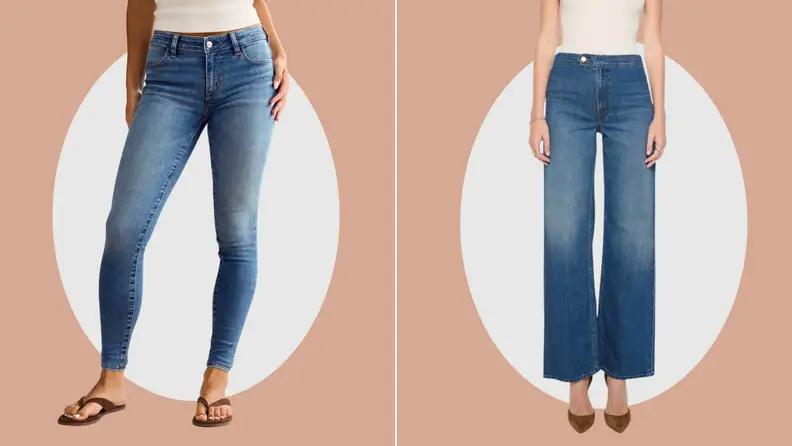
Gen Z is embracing skinny styles like these American Eagle Low-Rise Jeggings, while millennials are investing in tailored wide-leg denim like Mother’s Tab Rerun Zip Sneak.
People have debated jean styles for years, and no matter which one is in vogue with the younger generation, it catches flak. When mom jeans were the coolest style on the block between 2016 and 2018, skinny-jean-sporting Millennials met them with outrage. Now the script has flipped: Many Gen Zers are opting for skinny styles, while Millennials gravitate toward wide-leg jeans.
So why, after years of maligning skinny jeans, is Gen Z embracing them with open arms? A few factors are at play. One is the 20-year nostalgia cycle, in which past trends resurface as people seek comfort in an uncertain world. Another is runway trends: Fashion houses like Celine and Dior have reintroduced skinny silhouettes in recent shows. But the biggest driver may be Gen Z’s love of irony: Wearing skinny jeans despite the hate is a self-aware, tongue-in-cheek act of nonconformity.
Meanwhile, many women in their 30s and 40s are shifting toward structured, wide-leg styles and investing in tailored pieces from upscale denim brands like Reformation and Mother Denim. The appeal is easy to understand. These cuts are often more comfortable, and they fit seamlessly into the minimalist, quiet-luxury aesthetic many fashion-forward Millennials are leaning into. And as this generation grows older and more financially stable, it makes sense that they’d rather invest in high-quality staples than chase trends.
These low-rise jeggings from American Eagle are an easy way to hop on the skinny-jean trend.
A cute pair of wide-leg jeans from Mother Denim with a button-tab closure.
Y2K nostalgia vs. quiet luxury
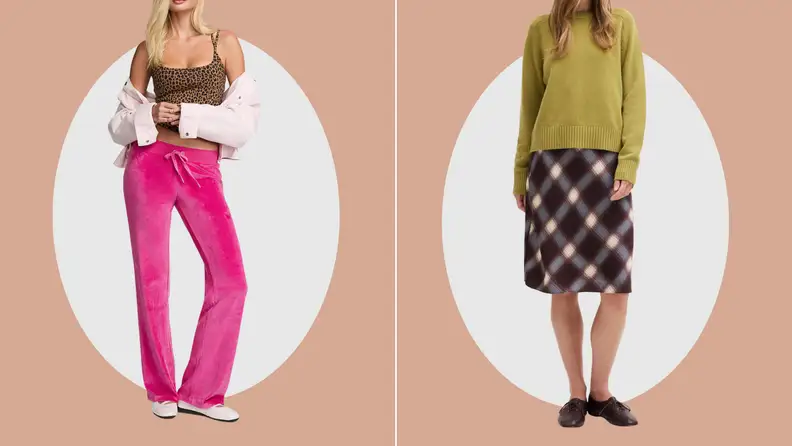
Gen Z’s Y2K nostalgia shows up in Victoria’s Secret PINK velour pants, while millennials build capsule wardrobes around staples like Madewell’s 100% cashmere crewneck sweater.
The next divide is aesthetic. Gen Z’s love of Y2K style is practically common knowledge, but how the trend developed is worth a closer look. This generation was too young to wear Y2K fashion the first time around, which makes their attachment to it a kind of borrowed nostalgia. The 20-year trend cycle plays a part, but the bigger driver is Gen Z’s appetite for novelty and playful dressing.
The revival has brought back dresses over jeans, platform shoes, metallics, micro-miniskirts, and other flashy uses of color and shape. Meanwhile, the Millennials who pioneered these styles are moving in the opposite direction.
On the other end of the style spectrum are the quiet-luxury aesthetic and capsule wardrobes. This ties back to the denim divide, since tailored, well-made pieces are the foundation of quiet luxury. Rather than chasing Gen Z’s maximalist looks, many Millennial women are downsizing their closets to 30 to 40 high-quality pieces they can mix and match for a simple, refined look. Much of this comes down to age: As Millennials move from young adulthood into full-fledged adulthood, they’re choosing comfortable, long-lasting pieces, while their younger counterparts remain enamored with novelty.
These velour flares from PINK capture the fun, bold aesthetic of the Y2K revival.
This 100% cashmere sweater from Madewell is a versatile staple for any capsule wardrobe.
Shopping habits

Platforms like TikTok Shop let you buy straight from the feed, while ThredUp makes resale easy for one-of-a-kind finds.
For this divide, we’re zooming out from what each generation wears to how they buy it. Gen Z’s shopping habits rest on three pillars: algorithm-driven discovery, budget consciousness, and secondhand shopping. Thanks to in-app platforms like TikTok Shop, much of Gen Z’s buying now happens without leaving social media. See a product in a video, tap the link, hit order, and you’re back to scrolling.
That seamless experience may also explain why Gen Z tends to buy more often. When your feed constantly serves up trendy items, overconsumption becomes the path of least resistance. Millennials feel social media’s influence too, but they’re less likely to see Gen Z creators selling to Gen Z audiences.
With less spending power, Gen Z leans heavily on thrifting and resale. Millennials shop secondhand too, but for different reasons: Gen Z hunts for novel, one-of-a-kind finds, while Millennials seek out the craftsmanship of clothing from decades past.
Another difference in shopping styles is the quality divide. Gen Z may buy more often, but Millennials invest in pieces built to last. As we mentioned with capsule wardrobes, much of their budget goes toward upscale brands and staples—think designer jeans, cashmere sweaters, and vintage leather jackets. If the Millennials shopping style had a motto, it would be “buy less, buy better.”
What we can learn from each
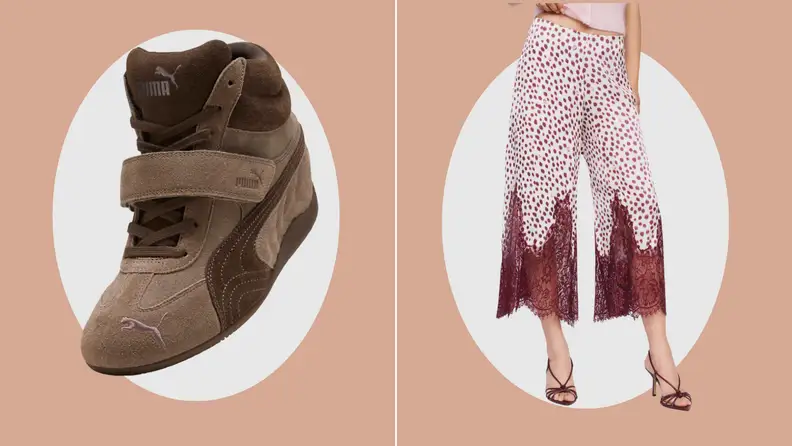
A quirky shoe like the Puma Speedcat Wedge or a statement piece like Anthropologie’s Maeve Lace-Trim Culotte Pants is all it takes to give a minimalist outfit some Gen Z playfulness.
For anyone rolling their eyes at the other generation’s style choices, there’s plenty we can steal from each other, whichever side of the divide we’re on. Gen Zers can take a page from the investment-piece playbook by buying a couple of pairs of high-quality jeans (in whatever silhouette they love) or investing in one high-quality statement piece rather than collecting as many as possible. Millennials, meanwhile, can borrow Gen Z’s playfulness by working bolder colors and graphic tees into their rotation. A quirky shoe or a statement piece of jewelry is often all it takes to elevate a minimalist outfit.
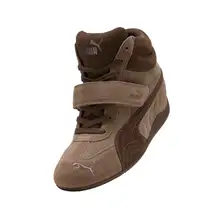
Puma makes plenty of playful sneakers, and these wedges are an easy way to turn a simple outfit into a statement.
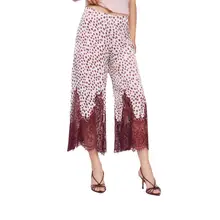
The fun silhouette and playful pattern make these culottes a great piece for Gen Z buyers to style for years to come.
If there’s one thing to take away from these style trends as a whole, it’s that no look stays cringe forever. The skinny jeans Gen Z once mocked are now in their closets, and the Y2K pieces Millennials swore off are being thrifted by a generation too young to remember them the first time. Every trend that’s mocked today is just waiting for its revival. So instead of picking a side, the most stylish move is to take the best from both: Gen Z’s sense of fun and Millennials’ eye for quality.
Related content
-
 The Best Places to Buy Glasses Online of 2026
 best-right-now
-
 The Best Work Boots of 2026
best-right-now