 Credit:
Magnific / Reviewed

Products are chosen independently by our editors. Purchases made through our links may earn us a commission.
Long-distance bus travel in the U.S. has quietly gotten a lot better than whatever you’re picturing from a decade ago. Newer coaches, real-time GPS tracking, and budget fares have replaced things like sticky armrests and broken outlets.
We asked our trusted travel experts to identify 14 bus services worth riding, from coast-spanning networks to regional carriers. As you read through the nominees below, cast your vote for those that have earned your loyalty and let us know why in this round of the Readers’ Choice Awards.
Voting period ends on December 2, 2026. We'll announce the winners on December 10.
Nominee #1: Barons Bus
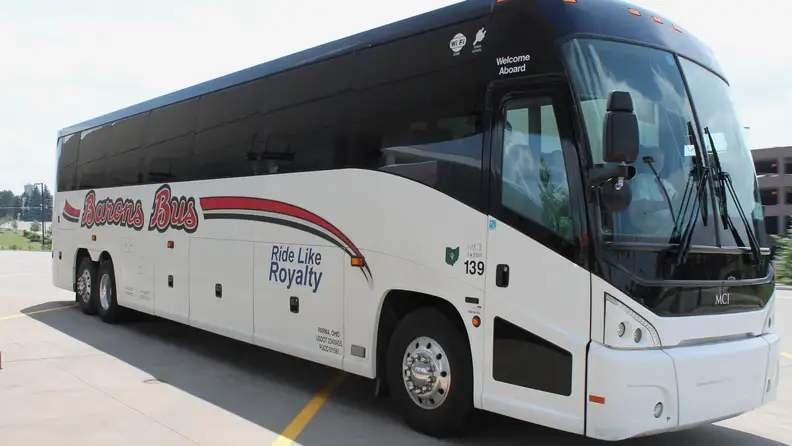
Need to get from Columbus to Cleveland on a budget without asking someone for a ride? Barons Bus runs that route—and dozens of others across Ohio, Michigan, Indiana, West Virginia, and beyond—with coaches that have free Wi-Fi. That detail got a callout from the panel, because anyone who’s tried to work on a bus with spotty internet knows how rare it is.
Barons is a regional carrier, and it operates like one. The drivers tend to run on time, the company keeps its buses clean, and the fares stay low enough that driving starts to feel like the less practical option once you factor in gas and parking.
Nominee #2: Coach USA
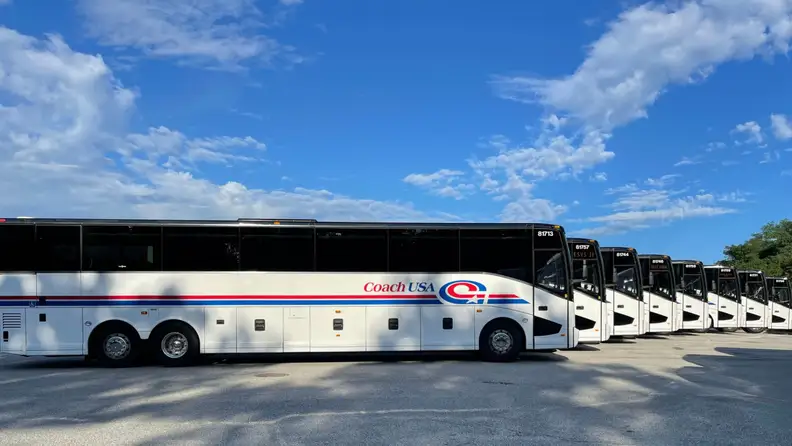
If you commute along a busy Northeast corridor—say, northern New Jersey into Manhattan—you’ve probably seen a Coach USA bus roll past you in traffic. The company runs regional express lines with departures frequent enough that you can build your day around them with little planning.
The expert who selected Coach USA appreciated that reliability on high-traffic lines. It’s not a cross-country carrier. It’s the bus that gets you across a metro area or between nearby cities on a schedule that matches when people need to travel. For that job, Coach USA has earned a steady ridership.
Nominee #3: Concord Coach Lines
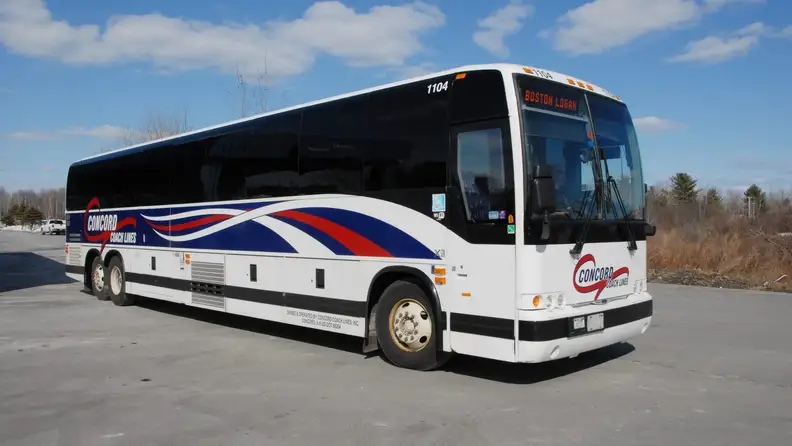
People in Portland and Concord talk about Concord Coach Lines the way New Yorkers talk about their favorite subway line—it’s just how you get to Boston. The buses run direct to South Station and Logan Airport from cities across New Hampshire and Maine, and on the Maine routes, they hand you a bottle of water when you board.
That free-water detail sounds small. It isn’t. After a two-hour ride down from Portland, arriving with something in your hand instead of needing to immediately find a convenience store changes the energy of the trip. The panel put forward Concord Coach for that corridor, and the riders who use it tend to stay loyal.
Nominee #4: FlixBus
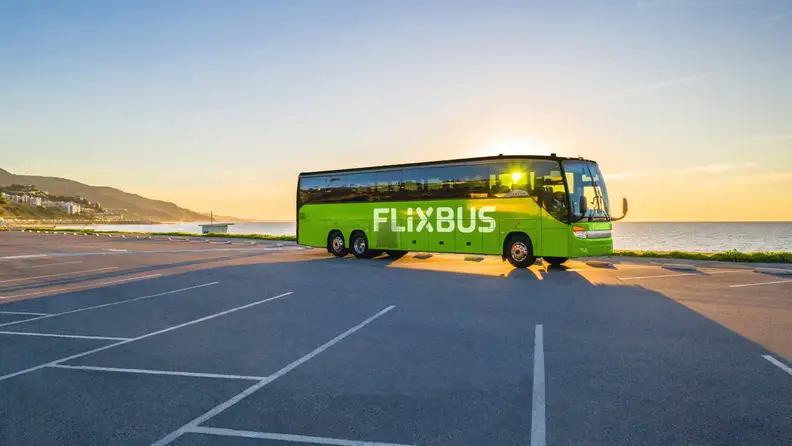
A FlixBus ticket from New York to Philadelphia can cost less than lunch. The company launched in Germany in 2013, arrived in the U.S. in 2018, and has been adding routes at a pace that’s hard to keep up with. A direct New York–Miami line and Dallas–Nashville service both launched in August 2026 alone.
The buses have power outlets, booking happens entirely through the app, and GPS tracking lets you watch your bus on the map in real time. FlixBus and Greyhound are also sister brands under the same parent company, Flix, though the two operate separate networks. Our experts wanted to feature FlixBus for travelers who book from their phone, care about the fare first, and treat onboard outlets as non-negotiable.
Nominee #5: Greyhound
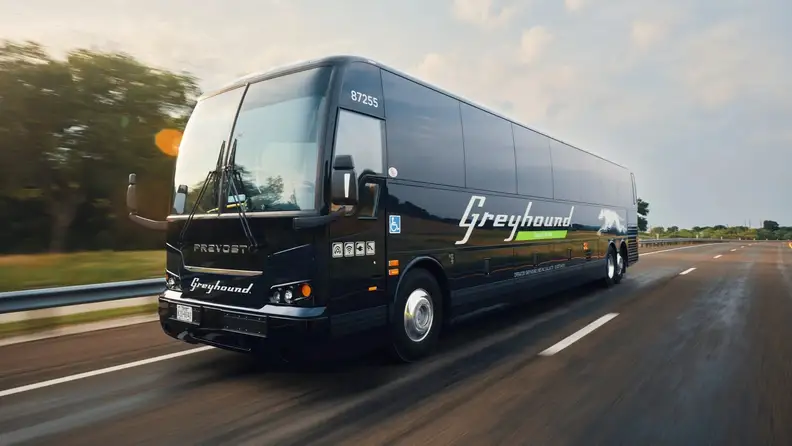
Your mental image of Greyhound is almost certainly out of date. Between 2024 and 2025, the company cut its average fleet age from 13 years down to seven, swapping in coaches with lumbar-support seats, outlets, and Wi-Fi. The buses running today are a different animal than the ones from five or 10 years ago.
What hasn’t changed is the coverage. Greyhound still reaches small towns that no airline serves and few other bus companies cover. That’s the reason it earned a spot here—for a lot of communities, Greyhound is the only intercity transit option, period. The app’s BusTracker feature lets you track your bus in real time, which is especially useful when you’re waiting at a stop in a town with nothing else to do but watch for the bus.
Nominee #6: Indian Trails
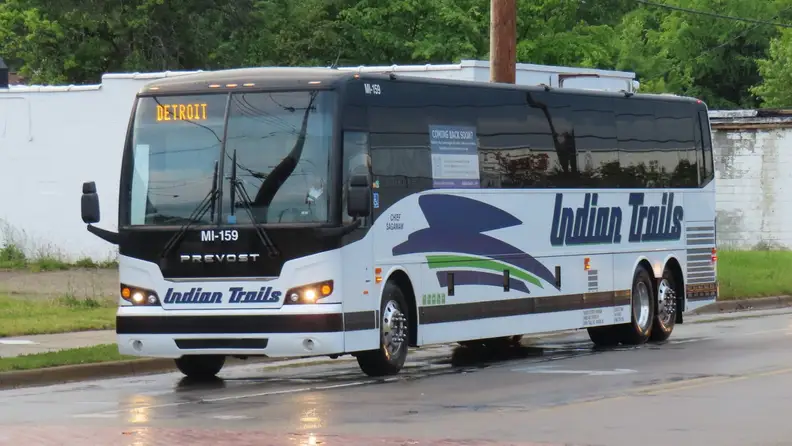
Indian Trails has been running buses in Michigan since 1910. When Greyhound dropped a bunch of Northern Michigan and Upper Peninsula routes in 2006, Indian Trails picked them up, and the company has been connecting those communities to bigger cities ever since.
Indian Trails also runs the Michigan Flyer, an express service between East Lansing, Ann Arbor, and Detroit Metro Airport that’s become a go-to for college students and airport commuters. But the panel nomination was about the broader network: lines linking small Michigan towns to one another and to hubs like Milwaukee and Duluth. The editor who nominated it praised how clean the buses are and how attentive the drivers tend to be, which matters more on a four-hour ride through the Upper Peninsula than it does on a 40-minute city shuttle.
Nominee #7: Jefferson Lines
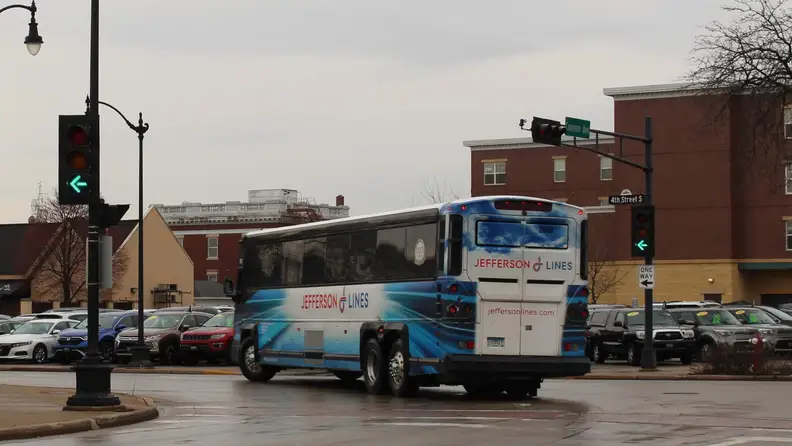
Jefferson Lines has been running since 1919, originally tracing the old Jefferson Highway from Winnipeg to New Orleans. Today it covers 17 states and keeps picking up routes that other carriers drop—including former Burlington Trailways service in Illinois and Iowa in 2025—and launched a new Chicago-Minneapolis line in mid-2026.
The Midwest cities on Jefferson’s map—Fargo, Billings, Duluth, Omaha, Kansas City—aren’t exactly flush with intercity transit options, which is part of why this company matters. One contributor described the coaches as quiet enough to fall asleep on, which is the kind of detail that separates a tolerable 10-hour ride from a miserable one.
Nominee #8: Megabus
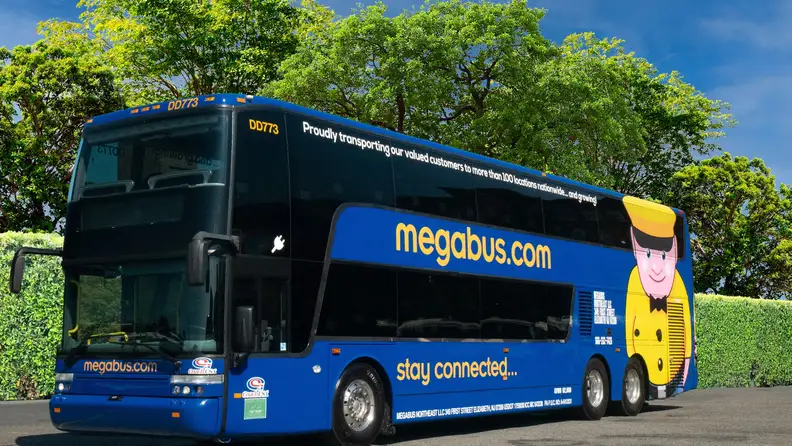
The expert who nominated Megabus said they’ve scored tickets in the single digits. That’s not a typo—book early enough on certain routes and the fare can land below $10. The other thing Megabus does well is drop you off in the middle of the city instead of at a bus station on the outskirts, which saves the cab fare that eats into whatever you saved on the ticket.
Megabus is part of Coach USA (Peter Pan has operated its Northeast routes since 2024) and runs across the Northeast, Midwest, and parts of the South. The buses have Wi-Fi and outlets, and that’s about the extent of the frills. It’s built for the person who sorts by price and books the cheapest option without overthinking it.
Nominee #9: OurBus
Before OurBus launched a single route, the founders asked riders where they needed to go. That was 2016. Today the company runs service between college towns and cities that the national carriers rarely connect—New York to Ithaca, New York to Amherst, New Haven to Boston. Those are the kinds of trips where driving is annoying and flying is absurd, and OurBus built its network around that gap.
One of our contributors rebooked their OurBus ticket three times on a single trip within the company’s free cancellation window—up to 60 minutes before departure, no phone call required. That flexibility explains a lot about why OurBus has built a following in the Northeast. The company turned 10 in 2026 and ran $10 fares across more than 50 routes to celebrate. There’s also a water bottle at your seat when you board, which is a small thing that lands differently after you’ve spent two hours in Penn Station.
Nominee #10: Peter Pan Bus Lines
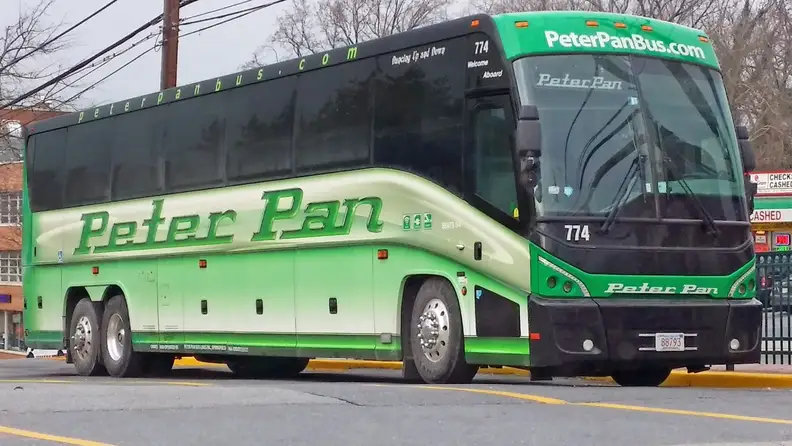
Peter Pan Bus Lines has been running buses through the Northeast since 1933, and the company is still headquartered in Springfield, Massachusetts. If you’ve traveled between New York and Boston by bus at any point in your life, there’s a good chance Peter Pan got you there.
The panelist who rides Peter Pan regularly didn’t talk about the buses themselves—they talked about the math. A round-trip Amtrak ticket between those two cities can cost more than a hotel night. Peter Pan gets you there for a fraction of that, seating is guaranteed, and the legroom is generous enough to sit comfortably for four hours. It’s not glamorous, but it consistently beats the alternatives on price without making you feel like you’re suffering for it.
Nominee #11: RedCoach
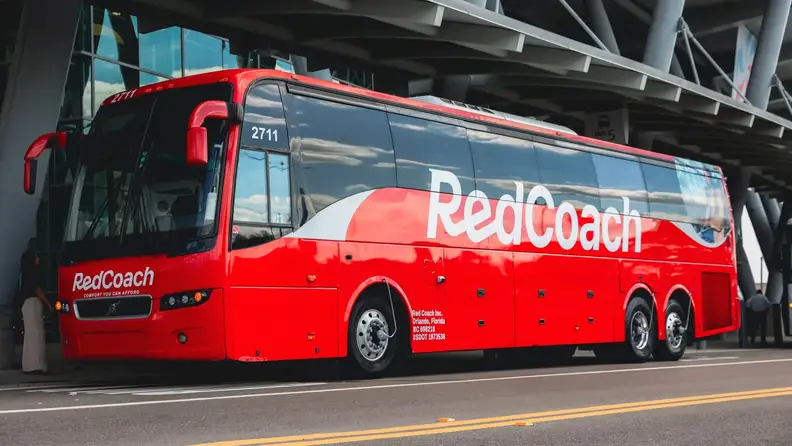
RedCoach doesn’t feel like a bus. The first-class coaches carry 26 passengers instead of the standard 56, and the seats—leather, gel-foam cushioning, imported from Argentina—recline 140 degrees. There are also lap trays wide enough to open a laptop on. The founders came from the Argentine transportation industry, where long-distance bus travel is treated as a real experience rather than a last resort, and they brought that standard to the U.S.
RedCoach has been running in Florida since 2010 and expanded to Texas in 2021, where it now connects Dallas, Houston, Austin, and San Antonio. If you’re traveling between Miami and Orlando or Dallas and Houston and the idea of a “luxury bus” doesn’t sound like an oxymoron to you, this is the one to try.
Nominee #12: Trailways
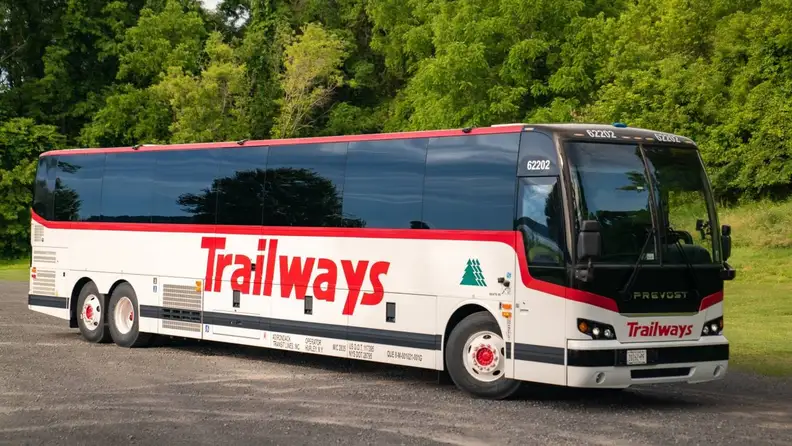
The panelist who championed Trailways plans group bus trips regularly. Their go-to test for any carrier: What happens when 12 people show up at the curb with full-size luggage? With most companies, bag fees start piling up or someone gets told their suitcase doesn’t fit the policy. Trailways has a generous allowance and doesn’t turn the boarding process into a negotiation.
The brand has operated since the 1930s—today it’s a network of independently owned regional bus companies sharing the Trailways name. The contributor’s other note was about the drivers, who treat the posted schedule like a personal commitment rather than a suggestion.
Nominee #13: Tufesa
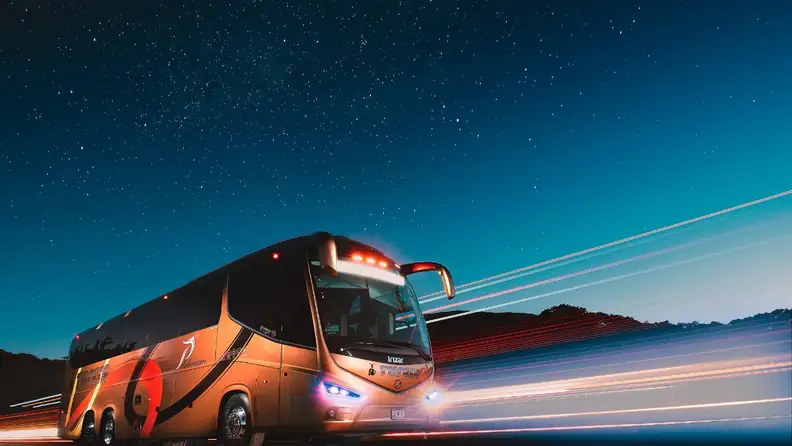
If you regularly travel between the Southwestern U.S. and Northwestern Mexico, you probably already know Tufesa. Founded in 1993 in Sonora as a single-bus operation for local workers, the company now runs more than 1,000 routes connecting more than 40 U.S. cities with destinations in Baja California, Sonora, Sinaloa, and Jalisco. Fares start at $11.
Service is available in both English and Spanish, and the coaches range from standard Volvo 9800s to double-decker premium options depending on the line and ticket class. The panel selected Tufesa for travelers making cross-border trips who want a comfortable ride without paying for a flight or burning a tank of gas driving through the desert.
Nominee #14: Yankee Line
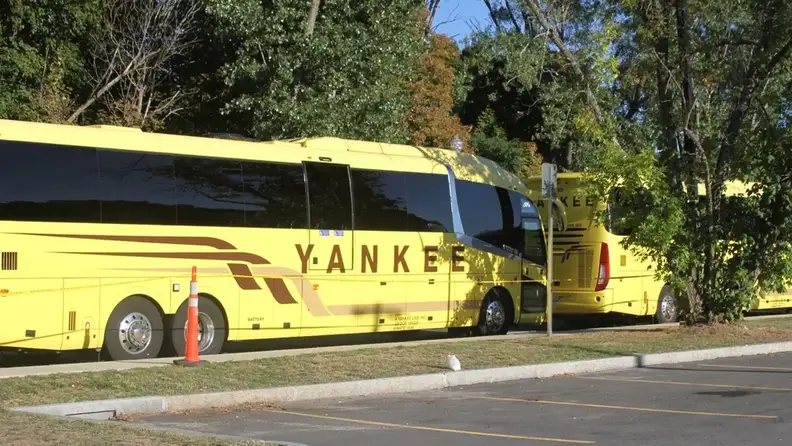
Yankee Line is a small Boston-area operation that runs executive-style coaches for commuter routes and group transportation. It’s not trying to compete with Greyhound or FlixBus on distance or price—it’s serving a slice of the market: people in the greater Boston area who commute by bus and want a more comfortable ride than public transit provides, plus corporate and school groups looking to charter something nicer than a yellow bus.
Our panelist who nominated Yankee Line has used it for both commuting and group outings around the Boston area and described the experience as satisfyingly comfortable—plush seating, a quieter cabin, and a sense that the company cares about ride quality. In its coverage area, it has the kind of dedicated following that national brands rarely earn.
Our Experts
Susan Lanier-Graham

Lanier-Graham is an award-winning food, wine, and travel writer with more than three decades of experience exploring destinations around the world. She has visited luxury resorts, boutique properties, and hidden gems across six continents, bringing a discerning eye to every stay. As publisher of Wander With Wonder, she leads an award-winning digital publication that inspires readers to discover exceptional travel experiences. Her work blends firsthand insight with a passion for storytelling, offering trusted recommendations on where to stay, dine, and explore. Susan’s expertise helps travelers confidently choose destinations that transform trips into unforgettable, experience-rich journeys.
Reviewed Editors & Experts

Reviewed editors and experts have hard-earned insights from a broad range of backgrounds, and our nomination panel includes independent researchers, subject-matter experts, and editorial team members. We provide unbiased, experiential editorial coverage on products, brands, and companies across the U.S.

 feature