Vote now! Readers' Choice Awards Best Free Attractions of 2027
This time, you get to decide
 Credit:
Reviewed / Canva

Products are chosen independently by our editors. Purchases made through our links may earn us a commission.
With gas and food prices so expensive stateside, it’s been tough for Americans to add to their holiday slush funds lately. If the rising cost of travel to a destination means the difference between vacation and staycation—or if you can travel but still want to save some dough—many U.S. cities offer memorable free museums and attractions. The places below encourage travelers to take in Revolutionary-era history, public art, wildlife, night skies, and some of the country's most recognizable natural landscapes without paying an admission fee.
Our panel of experts selected these nominees as the top free attractions in the U.S., and now we need your help. Vote for the ones you love most, and help us decide which free attractions deserve a Readers' Choice Award.
Voting period ends on December 2, 2026. We'll announce the winners on December 10.
1. Chikasha Inchokka' Traditional Village at Chickasaw Cultural Center

Sulphur, Oklahoma
On the 184-acre campus of the Chickasaw Cultural Center in Sulphur, Chikasha Inchokka' Traditional Village brings Chickasaw history to life through a recreated historic village. Visitors can step inside a council house and traditional summer and winter homes, see the stickball field where the lacrosse-like game was played, and watch stomp dance demonstrations.
Our panel highlighted the village's performances, demonstrations, and exhibits as a meaningful way to learn about the Chickasaw people. Admission to the village, the campus grounds, the Aaholiitobli' Honor Garden, and the Holisso research center is free, as are most special events. The Chikasha Poya Exhibit Center, which covers centuries of tribal history, charges a modest admission for adults.
2. Como Park Zoo & Conservatory
St. Paul, Minnesota
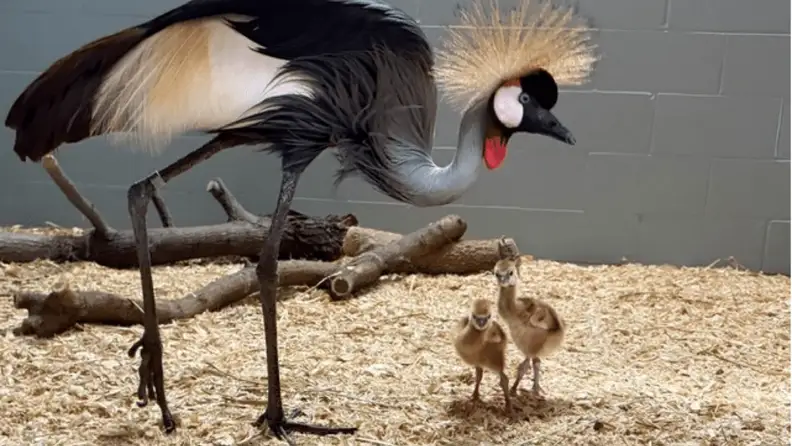
St. Paul's Como Park Zoo & Conservatory pairs a zoo and a botanical conservatory on the same campus—neither charges general admission.
The zoo's animal habitats house species ranging from gorillas to polar bears, while the Marjorie McNeely Conservatory features a 64-foot Palm Dome, a sunken garden, a fern room, and seasonal flower shows that keep things green even in the depths of a Minnesota winter.
Our experts highlighted the animal habitats, tropical gardens, and educational experiences as major draws for families. The zoo has never charged general admission, relying instead on voluntary donations from visitors. Rides at the adjacent Como Town amusement park and on Cafesjian's Carousel cost extra, but a day spent wandering among the animals and the gardens costs nothing at all.
3. Fort Laramie National Historic Site
Fort Laramie, Wyoming
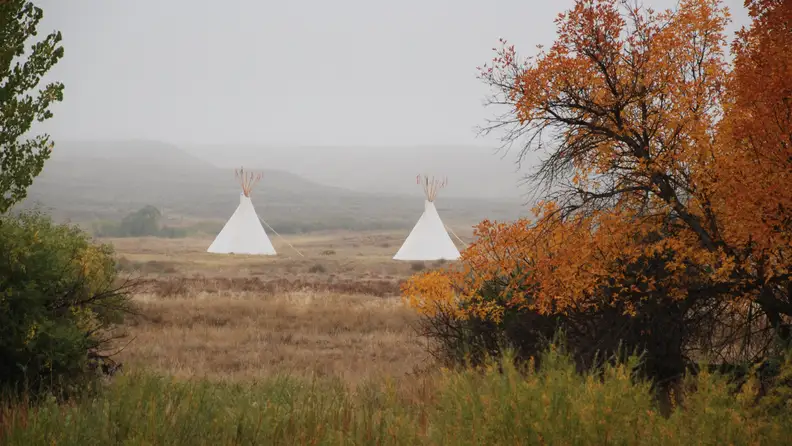
Fort Laramie began as a fur-trading post in 1834 and became a U.S. Army post in 1849, serving as a key stop for emigrants on the Oregon, California, and Mormon trails. Today, the Fort Laramie National Historic Site in southeastern Wyoming is free to enter, with no National Park Service pass required.
Our panel described it as an immersive frontier-history experience, highlighting the restored military buildings, the historic grounds, and seasonal living-history programs that help visitors picture daily life at the post. Visitors can walk among the surviving structures and furnished rooms at their own pace, and park rangers are on hand to share the fort's history.
For road-trippers crossing Wyoming, it offers a rewarding detour into the history of westward expansion without the entrance fee charged at many other park sites.
4. Freedom Trail
Boston, Massachusetts
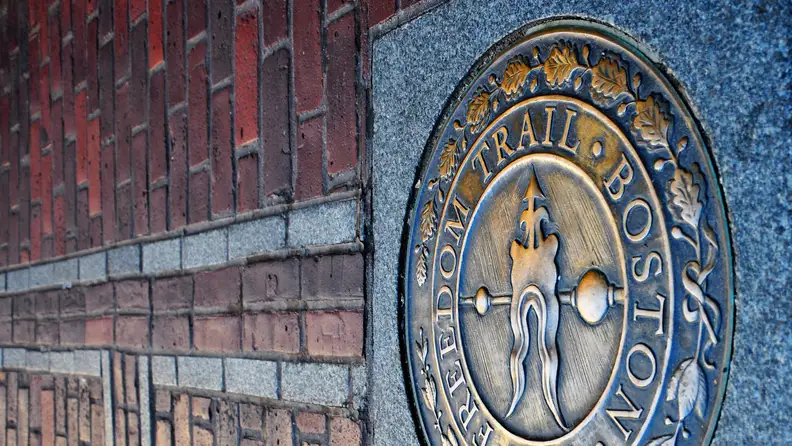
Follow a line of red brick through downtown Boston, and you'll trace the story of the American Revolution. The Freedom Trail stretches 2.5 miles and links 16 historic sites, including the Paul Revere House, Faneuil Hall, Old North Church, and the USS Constitution in Charlestown.
Our panel praised the route as an ideal self-guided outing for history lovers and casual explorers alike, since visitors can set their own pace and linger wherever a site catches their interest.
Walking the trail itself costs nothing. A few stops—such as the Paul Revere House and the Old State House—charge their own admission, but many others, including Boston Common, the Granary Burying Ground, and the USS Constitution, are free to explore. It’s easy to spend a full day steeped in history, even on a tight budget.
5. Garden of the Gods
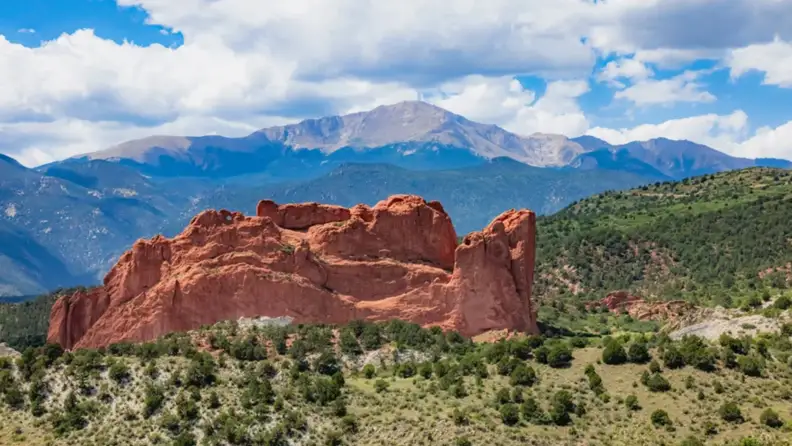
Colorado Springs, Colorado
Towering red sandstone formations set against the backdrop of Pikes Peak make Garden of the Gods a striking introduction to Colorado's Front Range, and access is free. The city park covers more than 1,300 acres and is a designated National Natural Landmark.
Its free status is no accident: In 1909, the children of railroad magnate Charles Elliott Perkins gave the land to the City of Colorado Springs, honoring his wish that it remain open and free to the public.
Our panel called the setting spectacular, singling out the accessible trails and the Visitor & Nature Center, which is also free to enter. Paved paths make the central garden manageable for most visitors, while longer trails welcome hikers, mountain bikers, and horseback riders. Guided tours, nature walks, and rock-climbing permits are available for those who want to go further.
6. Griffith Observatory
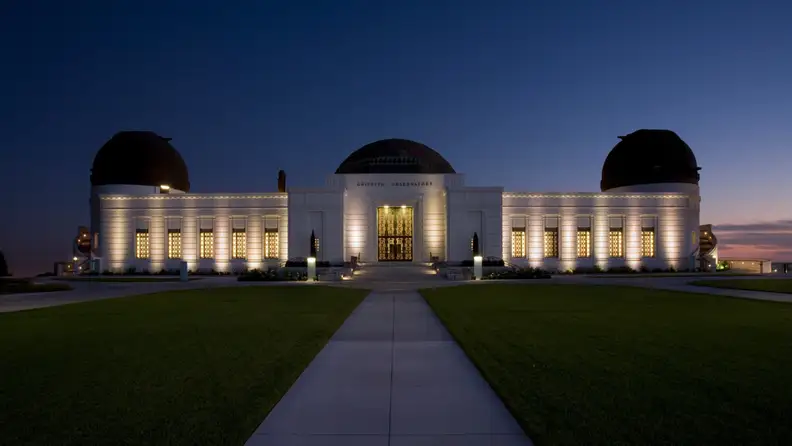
Los Angeles, California
Perched on the southern slope of Mount Hollywood in Griffith Park, Griffith Observatory has welcomed visitors since 1935 and doesn't charge admission. The grounds offer sweeping views of the Los Angeles Basin, the Hollywood Sign, and the surrounding mountains. Inside, exhibits explore astronomy and space science.
One of our experts, who visited often while living in LA, pointed to that blend of scenery and science as the reason it appeals to families, science fans, and budget travelers alike. The public telescopes are free to use as well, and late hours make it a natural spot to watch the sun set over the city.
Just a few things cost extra: Shows in the Samuel Oschin Planetarium require a paid ticket, and parking near the building is paid, though free parking is available farther downhill.
7. Headlands International Dark Sky Park
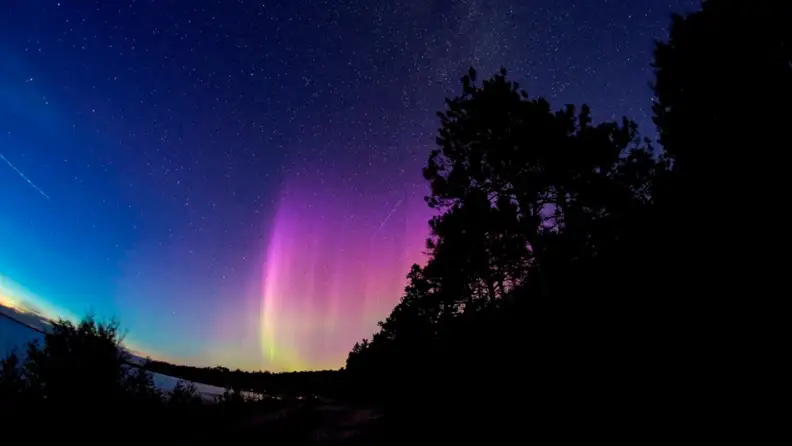
Mackinaw City, Michigan
Just west of Mackinaw City, Headlands International Dark Sky Park protects more than 500 acres of old-growth forest and more than two miles of undeveloped Lake Michigan shoreline. The International Dark-Sky Association (now DarkSky International) designated it a dark sky park in 2011, and the grounds stay open 24 hours a day, every day of the year, with no entrance fee. It's a rewarding stop for stargazers, who come for clear views of the Milky Way and, on the right nights, the northern lights.
Our reviewers also pointed to the distant views of the Mackinac Bridge across the water. Marked trails and designated viewing areas make it easy to settle in after dark, and daytime visitors can explore the woods and shoreline on foot. Emmet County also hosts public programs, including guided night hikes.
8. High Line
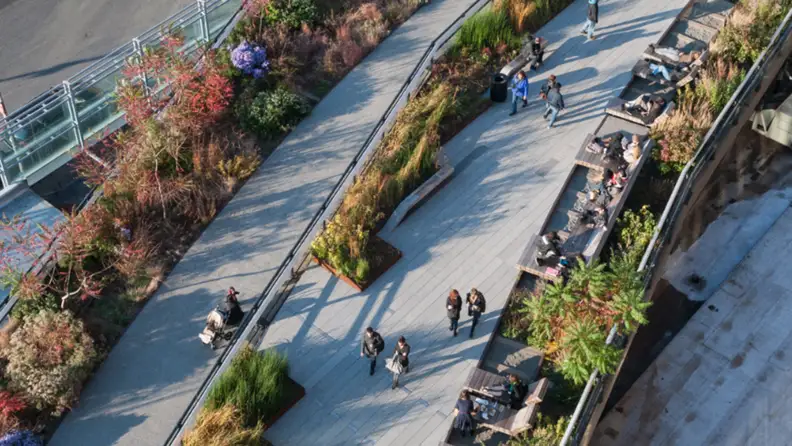
New York, New York
Built on a stretch of elevated freight rail line on Manhattan's West Side, the High Line turns a piece of former industrial infrastructure into a 1.45-mile public park. It runs from Gansevoort Street in the Meatpacking District to West 34th Street and is open daily with no admission fee.
Our panel pointed to the unusual vantage point it offers on New York City. You walk above street level through gardens planted to echo the wild landscape that grew on the tracks after the trains stopped running, with rotating public art installations and close-up views of the surrounding architecture along the way.
A nonprofit maintains the park and works to keep it free for everyone. It also connects easily to neighborhoods like Chelsea and Hudson Yards, making it a simple addition to a day of on-foot exploration.
9. Lincoln Park Zoo

Chicago, Illinois
Founded in 1868, Lincoln Park Zoo is one of the oldest zoos in North America. No tickets or reservations are needed to enter the 49-acre grounds, which sit within Chicago's lakefront Lincoln Park, just north of downtown. The zoo is home to nearly 200 species, and visitors can move between outdoor habitats, indoor animal buildings, and the Farm-in-the-Zoo throughout the day.
Our experts noted it’s a standout urban zoo that packs loads of sights into a compact footprint in the middle of a major city. Parking in the zoo's lots costs extra, so many visitors arrive on foot, by bike, or by public transit.
10. Loggerhead Marinelife Center
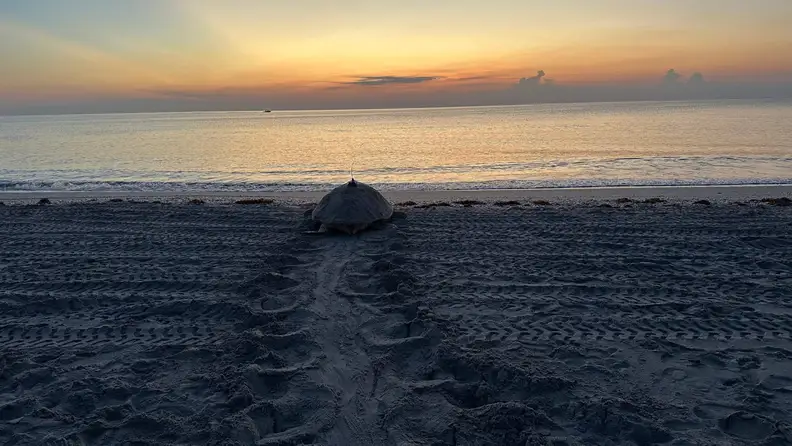
Juno Beach, Florida
Founded by Juno Beach resident Eleanor Fletcher more than 40 years ago, Loggerhead Marinelife Center is a nonprofit dedicated to rescuing, rehabilitating, and releasing sea turtles. Visitors can watch sea turtle patients recovering in the outdoor hospital, explore interactive exhibits, and talk with staff about ocean conservation. The center cares for roughly 200 sea turtles a year, to return each one to the wild.
Our panelists counted it among their favorite free attractions, singling out its work protecting endangered sea turtles and preserving ocean habitats. Guided hospital tours and other special experiences cost extra, and donations help keep general admission free, but a self-guided visit is enough to see the rehabilitation work up close.
11. Millennium Park
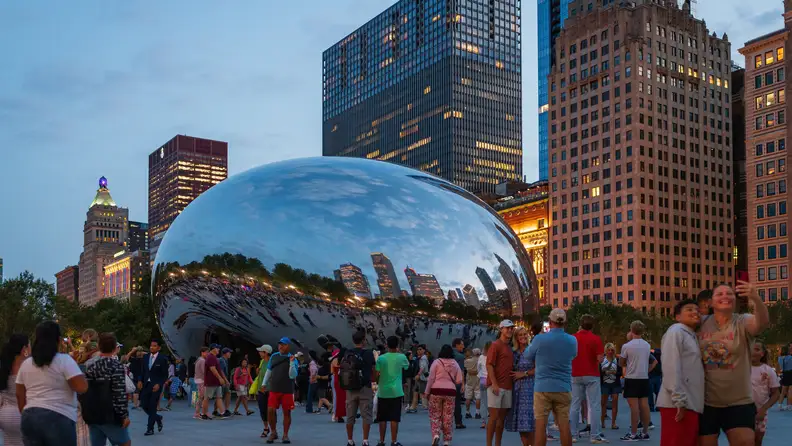
Chicago, Illinois
Set along Michigan Avenue in downtown Chicago, Millennium Park packs public art, architecture, and landscaped green space into a single free stop. Its best-known draw is Anish Kapoor's Cloud Gate, the mirrored sculpture most visitors call "The Bean."
Nearby, the Crown Fountain's glass-block towers display video portraits of Chicagoans, and the Jay Pritzker Pavilion, designed by Frank Gehry, hosts outdoor concerts during the warmer months.
Our experts highlighted how much of the city's character visitors can experience here without spending a dime. They noted that its central location makes it an easy addition to any downtown itinerary.
The park draws crowds year-round, too, with ice skating in winter and the Lurie Garden in bloom through the summer. Admission to the park is free.
12. Niagara Falls State Park
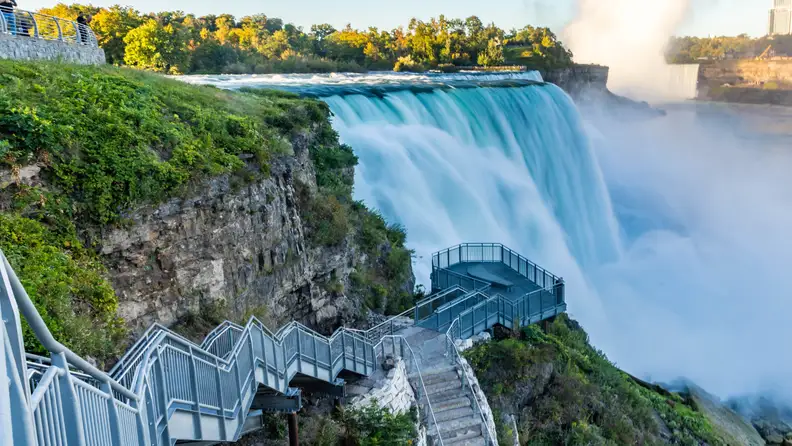
Niagara Falls, New York
Established as the Niagara Reservation in 1885, Niagara Falls State Park is the oldest state park in the country. It costs nothing to spy this million-dollar view by walking the paved paths along the rim, stopping at overlooks above the American and Horseshoe Falls, and feeling the spray drifting across the walkways.
Our panel noted that pedestrians can experience the park up close without buying a tour ticket. Parking in the park's lots carries a fee, however, and attractions such as the Maid of the Mist boat ride and Cave of the Winds require paid tickets. In 2026, the park absorbed neighboring Whirlpool and Devil's Hole state parks, adding more than 150 acres and a connected trail along the Niagara River. For budget-minded travelers, arriving on foot and lingering at the overlooks delivers the full spectacle for free.
13. Oklahoma City National Memorial
Oklahoma City, Oklahoma
The Oklahoma City National Memorial honors the 168 people killed in the April 19, 1995, bombing of the Alfred P. Murrah Federal Building, and its Outdoor Symbolic Memorial is free and open 24 hours a day, 365 days a year.
Every element of the grounds carries meaning. Twin bronze Gates of Time frame the moment of the attack, a reflecting pool stretches between them, and the Field of Empty Chairs includes one chair for each life lost. The Survivor Tree, an American elm that withstood the blast, still stands nearby.
Our reviewers pointed to the care that went into the design and the ranger interpretation; National Park Service rangers are on site daily to answer questions. The adjacent Memorial Museum requires a paid, timed-entry ticket, but the outdoor memorial alone offers a moving, reflective visit.
14. Pike Place Market

Seattle, Washington
Open since 1907, Pike Place Market is one of the country's oldest continuously operating public markets. It spreads across a 9-acre historic district above Seattle's waterfront, where farmers, craftspeople, and food vendors share space with street performers. Wandering its chaotic arcades costs you nothing.
Our experts acknowledged it's a slightly unconventional pick for this list. Still, they made a strong case for it, pointing to the place's energy—fishmongers tossing fish to cheering crowds, buskers on the corners, and an endless run of artisan stalls.
Visitors can easily spend a morning taking it all in without buying a thing, though resisting a snack may be the hardest part. For travelers who want a quick read on Seattle's food culture and history, the market offers a lively, budget-friendly starting point.
15. Presidio of San Francisco
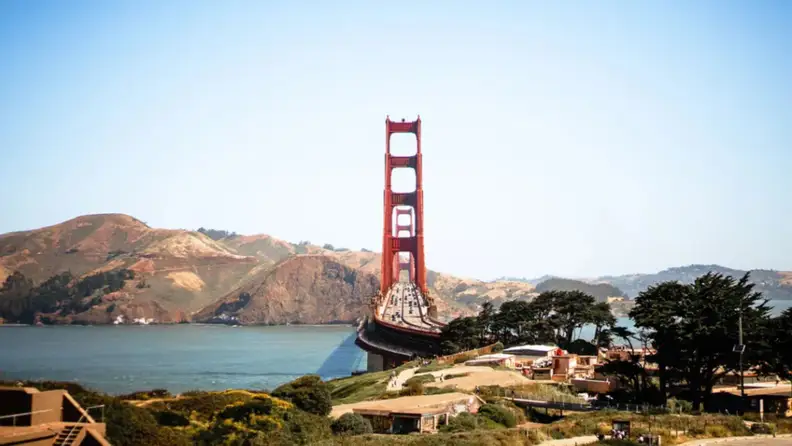
San Francisco, California
Spain established a military outpost at the Presidio in 1776, and the site remained under military control for more than two centuries before becoming part of a national park. Today, the Presidio of San Francisco is free to explore, with forested trails, coastal bluffs, historic buildings, and views of the Golden Gate Bridge spread across roughly 1,500 acres.
Our panel pointed to the mix of military history, scenic hiking, and natural landscapes as a draw for history buffs, families, and outdoor lovers. A highlight is Presidio Tunnel Tops, a 14-acre park built over a highway tunnel, with picnic areas, a nature playground, and Golden Gate views. The free Presidio GO Shuttle helps visitors get around, and rangers at the Presidio Visitor Center can help plan a route.
16. Saint Louis Zoo
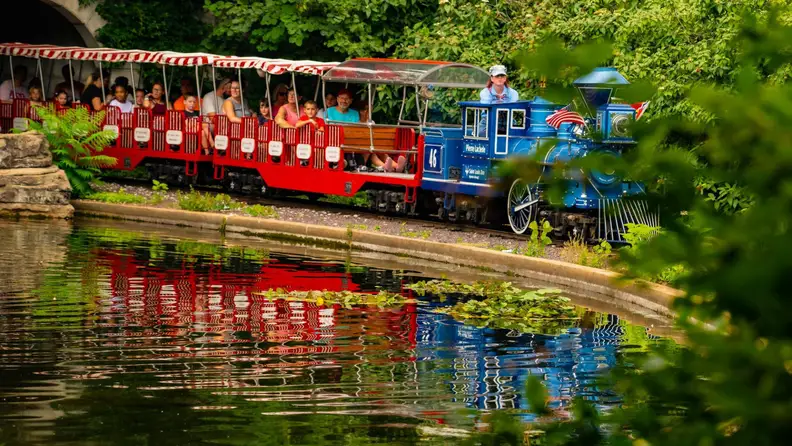
St. Louis, Missouri
General admission to the Saint Louis Zoo is always free, which continues to surprise first-time visitors given the scale of the place. The Forest Park–situated zoo houses animals across a wide range of themed habitats, from big cats and great apes to penguins and sea lions. Our panel highlighted its immersive habitats and family-friendly programming, with one reviewer recalling full days spent exploring without paying anything at the gate.
A handful of extras do carry a fee, including the Zooline Railroad, the Sea Lion Show, the Conservation Carousel, the 4D Theater, the stingray encounter at Caribbean Cove, and parking in the zoo's lots. An Adventure Pass bundles those paid attractions for families who want them, but the core experience—strolling the grounds and visiting the animals—stays free year-round.
17. St. Pete Pier
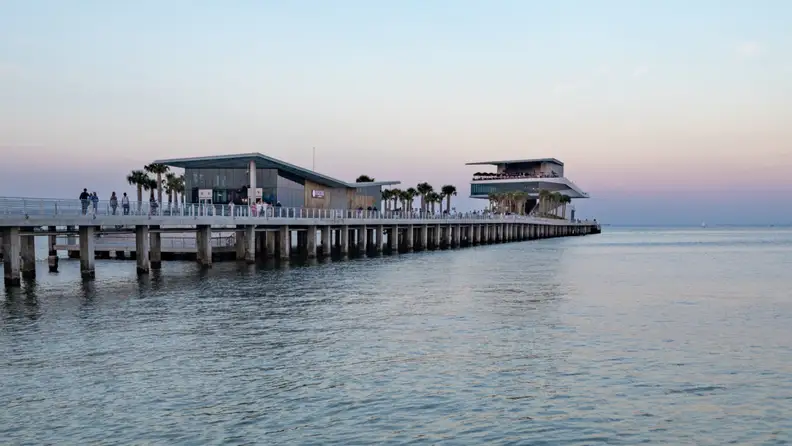
St. Petersburg, Florida
Stretching into Tampa Bay from downtown St. Petersburg, the St. Pete Pier is a waterfront district built for wandering. The 26-acre destination opened in 2020 and blends public art, green space, and places to play. Families can cool off at the Majeed Foundation Splash Pad, kids can burn off energy at the playground, and anyone can stretch out on the Tilted Lawn to take in the water.
Our reviewers love its combination of public art, playgrounds, and views across Tampa Bay. The Tampa Bay Watch Discovery Center offers a closer look at local marine life, while restaurants and shops round out the district for those who want to linger longer. A walk to the end of the pier is a simple, free way to enjoy the bay.
18. TECO Manatee Viewing Center
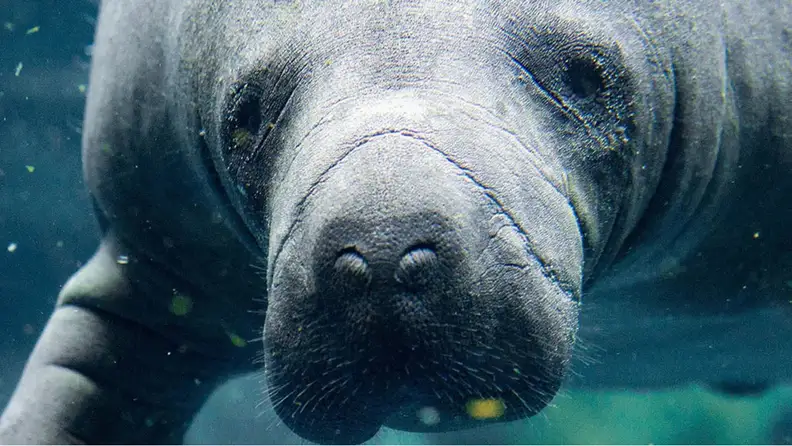
Apollo Beach, Florida
Each winter, manatees gather by the dozens, and sometimes by the hundreds, in the warm-water discharge canal of Tampa Electric's Big Bend Power Station. The TECO Manatee Viewing Center lets visitors watch them from boardwalks just above the water.
Because of the nature of the attraction, the center operates seasonally, from November 1 through April 15, and the manatees tend to arrive when Tampa Bay's water temperature drops to 68°F or colder.
Our reviewers called it an incredible experience, with one describing it as among the most rewarding free wildlife encounters they've had. Beyond the main viewing area, the site includes a tidal walk, about 0.8 miles of habitat trails, a 50-foot wildlife observation tower, an education building, and a touch tank with cownose rays. Live webcams let visitors check for manatees before making the drive.
Our Experts
Terri Colby

An award-winning travel writer and photographer, Terri Colby is a long-time Chicago journalist who has traveled the world and revels in its natural wonders. Her work has appeared in myriad publications, including the Chicago Tribune, Forbes, MSN, and AAA magazines. Follow her blog at Sleeping Around the World.
Susan Lanier-Graham

Lanier-Graham is an award-winning food, wine, and travel writer with more than three decades of experience exploring destinations around the world. She has visited luxury resorts, boutique properties, and hidden gems across six continents, bringing a discerning eye to every stay. As publisher of Wander With Wonder, she leads an award-winning digital publication that inspires readers to discover exceptional travel experiences. Her work blends firsthand insight with a passion for storytelling, offering trusted recommendations on where to stay, dine, and explore. Susan’s expertise helps travelers confidently choose destinations that transform trips into unforgettable, experience-rich journeys.
Joelle Machia

Joelle Machia is a travel writer, podcaster, photographer, and co-founder of Wanderers Compass, a multi-platform travel brand dedicated to immersive, culturally respectful storytelling. As a United Nations ECOSOC Representative and award-winning content creator, she focuses on sharing deeper travel experiences that go beyond the surface. Through Wanderers Compass, Joelle produces destination guides, long-form articles, a digital magazine, and a podcast that explores history, culture, food, and local communities.
Theresa Russell

Theresa Russell is an award-winning writer and photographer who shares her lived experiences with her readers. Having set foot in all 50 U.S. states, seven continents, and many foreign countries, she shares her knowledge to help others plan smarter, safer, and more meaningful adventures, whether on land or at sea.
Reviewed Editors & Experts

Reviewed editors and experts have hard-earned insights from a broad range of backgrounds, and our nomination panel includes independent researchers, subject-matter experts, and editorial team members. We provide unbiased, experiential editorial coverage on products, brands, and companies across the U.S.

 feature