Vote now! Readers' Choice Awards Best Value Hotel Brands of 2027
This time, you get to decide
 Credit:
Magnific / Reviewed

Products are chosen independently by our editors. Purchases made through our links may earn us a commission.
Nobody dreams about budget hotels... but odds are, you also don’t want to pay through the wazoo for a fancy room with an infinity pool when you’ll be asleep for most of your time there. You may as well book a more affordable room and spend the cash elsewhere.
Our experts rounded up 17 hotel brands that consistently deliver a top experience for them, but we also want to hear from you. That’s what the Readers’ Choice Awards are all about. Read through the nominations, cast your vote, and tell us what makes the experience special each time. Voting period ends on December 2, 2026. We'll announce the winners on December 10.
Nominee #1: Aloft by Marriott
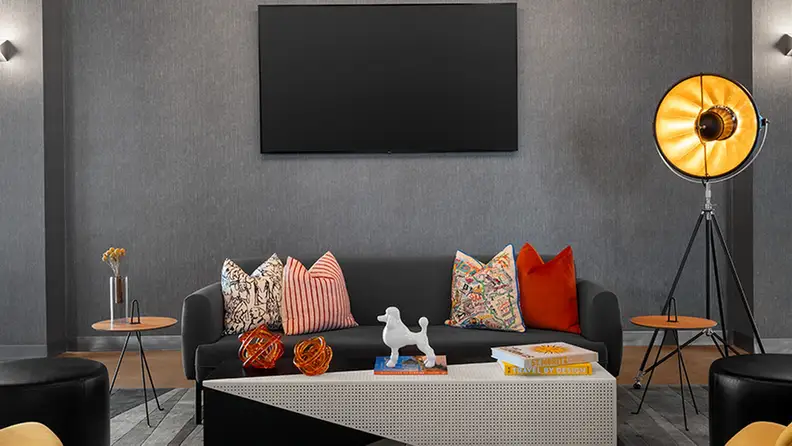
The lobby at Aloft is what gets people. There’s usually a bar with actual cocktails—not a sad breakfast room pulling double duty—and the design looks like someone with taste was involved. It reads as a $200-a-night boutique hotel. Then you check the rate and it’s $130.
It’s a Marriott brand, so you earn Bonvoy points and plug into that booking ecosystem. But the reason Aloft earned a nomination isn’t the loyalty program. It’s that lobby at 9 p.m. on a Tuesday work trip when you want somewhere to sit with a drink that doesn’t feel like a highway-exit hotel bar.
Nominee #2: avid hotels by IHG
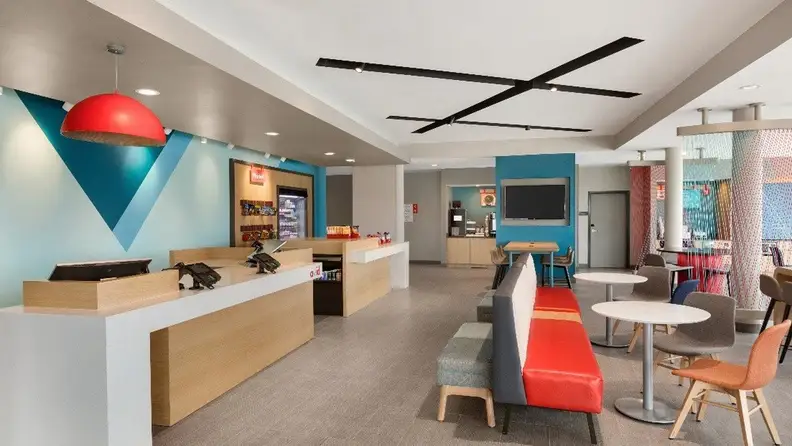
avid hotels made one bet: if the mattress is great and the room is quiet, nothing else matters that much. IHG built this brand around sleep quality—real soundproofing between rooms, blackout curtains that actually work, and mattresses that feel like they belong in a higher price bracket.
Breakfast is grab-and-go rather than a sit-down buffet, which is fine when you’re just trying to get back on the highway by 8 a.m. The nomination came down to how disciplined the editing felt—you’re not subsidizing a restaurant or a business center you’ll never use. Everything nonessential got cut so the room itself could be better. For an overnight highway stop, that trade-off makes a lot of sense.
Nominee #3: Best Western Plus
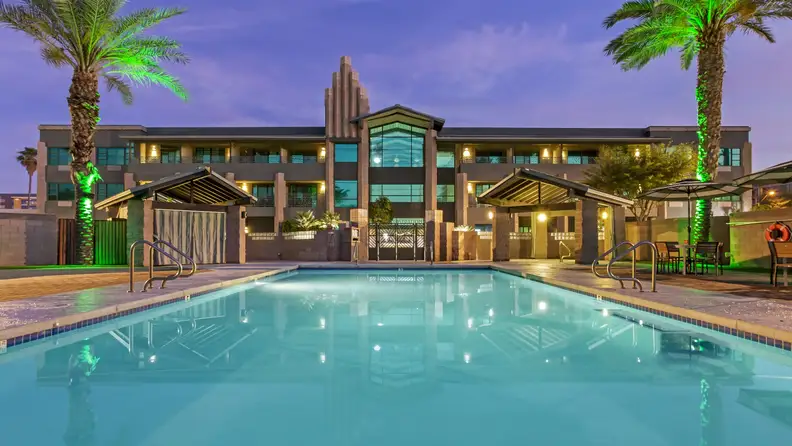
A panelist stayed at a Best Western Plus last year expecting the Best Western they remembered from childhood road trips. What they got instead was a renovated room, a solid indoor pool, and a hot breakfast spread with eggs, sausage, and a waffle station that rivaled what the Hilton property across the parking lot was charging $40 more per night to access.
Every Best Western is independently owned, so the experience varies—some properties are sharper than others. When the rate lands $20 to $40 below the chain hotel next door and the breakfast is just as good, the math is hard to argue with.
Nominee #4: Comfort Inn
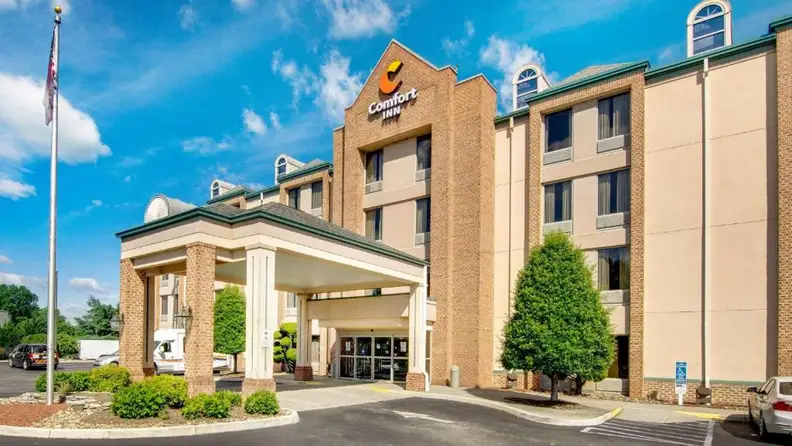
Comfort Inn is a Choice Hotels brand that’s earned its name through repetition. Check into one in Tucson and it feels like the one you stayed at in Knoxville—clean room, comfortable bed, breakfast that covers the basics, and usually a banana you can grab on your way out the door for later.
That consistency is the entire selling point. The nomination didn’t describe a single standout experience—it described dozens of fine ones. Comfort Inn never blows you away, but it also never makes you wish you’d booked somewhere else. Over the course of a multi-stop road trip, that reliability is worth more than one great night at a place that might have been terrible.
Nominee #5: DoubleTree by Hilton

The warm chocolate chip cookie at check-in might be the single most effective hotel loyalty move ever invented. DoubleTree has been handing them out for years, and people still talk about it—which tells you something about how a small, specific gesture can define an entire brand experience.
Beyond the cookie, DoubleTree occupies a useful middle ground in Hilton’s lineup. The rooms tend to have more going on than a Hampton—maybe a restaurant downstairs, a slightly bigger bathroom, a pool—without jumping to full Hilton pricing. A frequent traveler on the panel described DoubleTree as the hotel where they always know what they’re getting. That sounds like faint praise, but in hotels, predictable quality at a reasonable rate is exactly what repeat guests are after.
Nominee #6: Drury Hotels
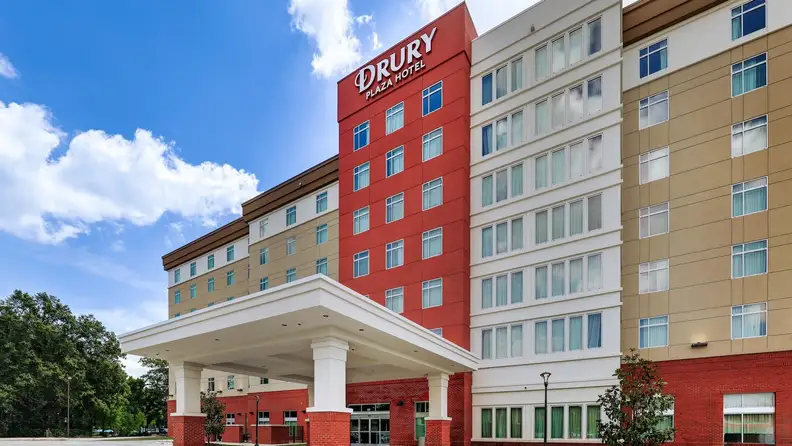
The first time you experience a Drury Hotels 5:30 Kickback, you’ll wonder what the catch is. Every evening from 5:30 to 7 p.m., the hotel lays out a rotating dinner spread—taco bar one night, chicken alfredo the next, sliders the night after that—plus beer, wine, and mixed drinks. It’s included with your room. Not a coupon. Not a voucher. Included.
Then in the morning, there’s a full hot breakfast with Belgian waffles, scrambled eggs, and sausage. Also included. Drury Hotels is 100 percent family-owned, which might explain why the value proposition feels almost irrational. Three panelists nominated it independently, and every single one mentioned the Kickback within the first sentence. If you’ve never stayed at a Drury, book one just to see it for yourself.
Nominee #7: Element by Westin
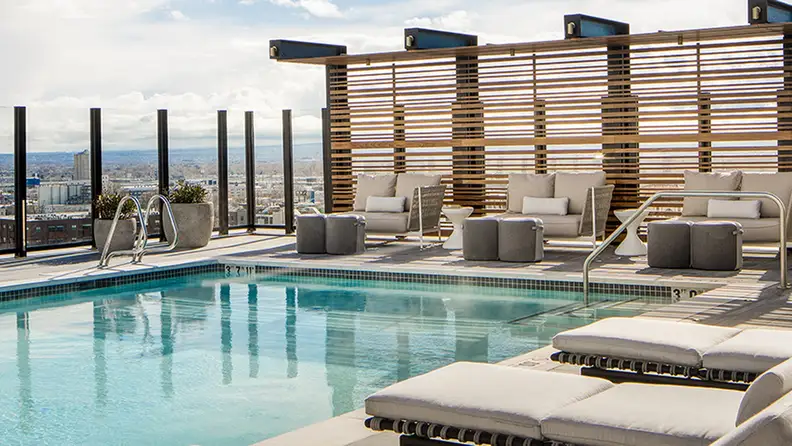
Element is Marriott’s extended-stay brand, and the room comes with a full kitchen—not a microwave and a mini-fridge, but an actual cooktop, full-size fridge, and dishwasher. Cook dinner, wash the dishes, go to bed in what’s reportedly the same mattress line Westin is famous for.
The nomination framed Element as a travel hack for stays longer than a couple of nights. Instead of eating out three meals a day, you grocery-shop once and eat in for the rest of the week. The breakfast leans healthier than most hotel spreads—smoothies, fresh fruit, yogurt—and some locations run evening receptions with snacks and drinks. That combination adds up to a surprisingly low daily cost once you factor in the meals you’re not buying.
Nominee #8: Fairfield by Marriott
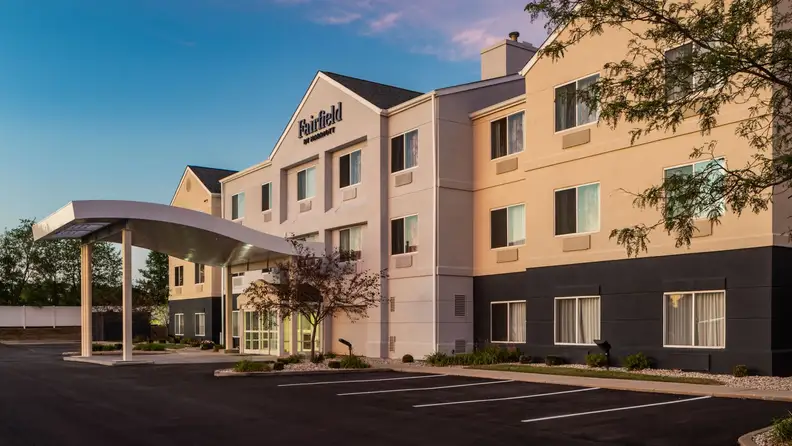
Land at an airport. Book whatever Fairfield is closest to the terminal. Check in. Eat breakfast. Leave. One panelist has done this in probably a dozen cities and said they couldn’t tell you a single memorable thing about any of the stays. That’s the compliment.
The breakfast has a waffle station and enough protein to get you to lunch without stopping somewhere. Check-in is fast—nobody’s trying to upsell you on a room upgrade or walk you through the rewards program. Fairfield earned its spot here because of a very specific streak: it hasn’t disappointed anyone yet, and nobody on the panel could remember a single bad stay.
Nominee #9: Hampton by Hilton
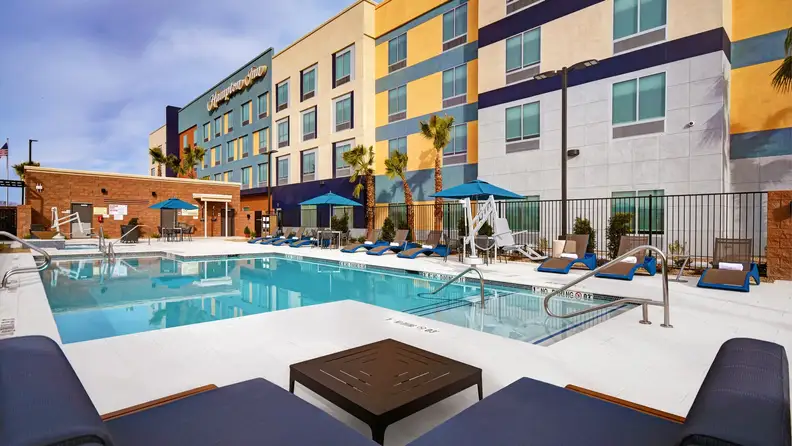
The waffle maker at Hampton breakfast is famous for a reason—it turns an ordinary hotel morning into something you look forward to. Hampton has been Hilton’s road-trip workhorse for years, and the formula hasn’t changed much because it doesn’t need to: good beds, clean rooms, warm cookies at check-in, and that breakfast.
One panelist is a lifetime Hilton Diamond member and still defaults to Hampton for road trips. The reason? Consistency. A Hampton in rural Iowa delivers roughly the same experience as one outside Atlanta—same bed quality, same blackout curtains, same sound insulation between rooms. That last detail got mentioned by multiple evaluators. After ten hours of driving, being able to actually sleep through the night without hearing the room next door is worth more than a fancy lobby.
Nominee #10: Holiday Inn Express
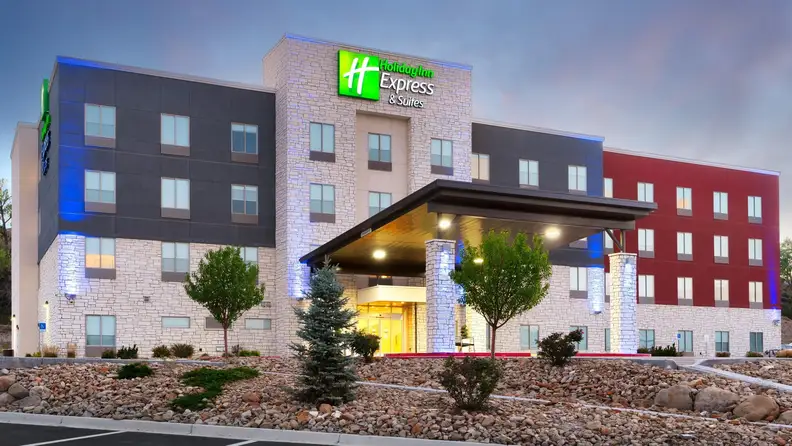
One evaluator nominated Holiday Inn Express for a reason you don’t hear about most hotels: safety. As a solo female business traveler, she specifically looks for interior-corridor rooms—where your door opens onto a hallway inside the building, not directly onto a parking lot—and Holiday Inn Express delivers that consistently across its footprint.
Hard-boiled eggs. That’s the detail she kept coming back to when talking about the breakfast. Finding real protein in the morning instead of a basket of danishes and a juice dispenser makes a genuine difference when you’ve got eight hours of driving or a full day of meetings ahead. Several panelists also mentioned sleeping better than expected at recent stays—unprompted, without anyone asking about the beds specifically.
Nominee #11: Home2 Suites by Hilton
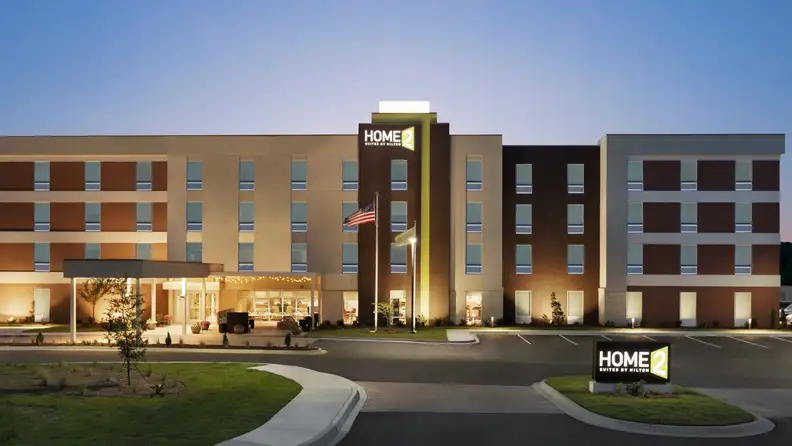
Nine nights. That’s how long one panelist stayed at a Home2 Suites during a family visit, and they said by about night three, they’d stopped thinking of it as a hotel. Dinner happened in the kitchenette most evenings. The couch became a reading spot after the kids went to bed. By checkout, they’d settled into an actual routine—grocery runs, morning coffee in the room, leftovers in the full-size fridge.
That’s the experience Home2 was designed to create, and it’s a hard thing to go back from once you’ve had it. Breakfast is included each morning, which meant two meals a day were already covered before they walked out the door.
Nominee #12: Hyatt House
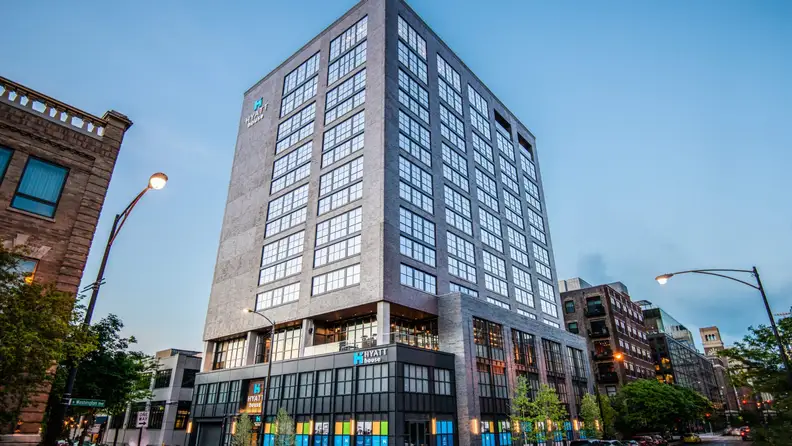
Two weeks in a hotel sounds fine until night four, when you’re standing in the lobby holding a $19 Caesar salad in a plastic clamshell. That’s the moment a panelist described—the wall where hotel living stops being convenient and starts being expensive. Hyatt House solved it because the suite had a stove, a full fridge, and enough counter space to actually cook a meal.
One grocery run on the first evening and dinner was handled for the rest of the assignment. Breakfast is included each morning, which meant two out of three meals were covered before walking out the door. By checkout, the savings on food alone had nearly offset the room rate.
Nominee #13: Hyatt Place
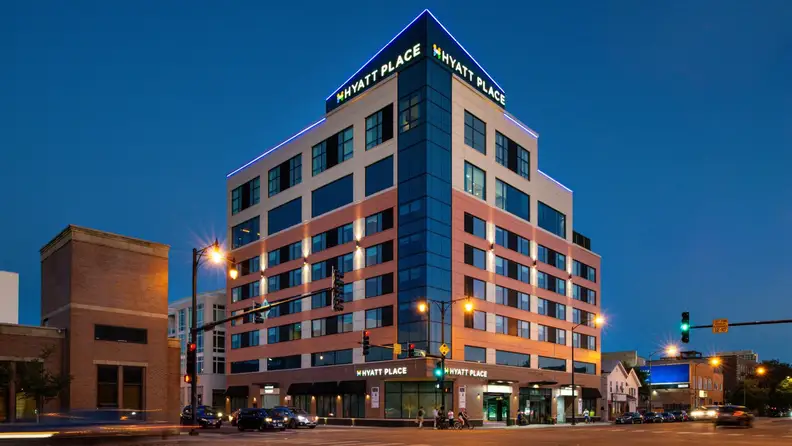
Hotel rooms at this price point usually give you a bed, a desk, and enough floor space to open a suitcase. Hyatt Place adds a sectional sofa called the Cozy Corner to every single room—not just the suites—which creates a separate sitting area that makes the whole space feel bigger than the square footage suggests.
Two evaluators mentioned it without being prompted, and both described the same thing: walking into the room and realizing they had somewhere to sit that wasn’t the bed or a stiff desk chair. Breakfast is included, the design leans contemporary, and the rooms run larger than what most competitors offer at the same rate.
Nominee #14: La Quinta by Wyndham
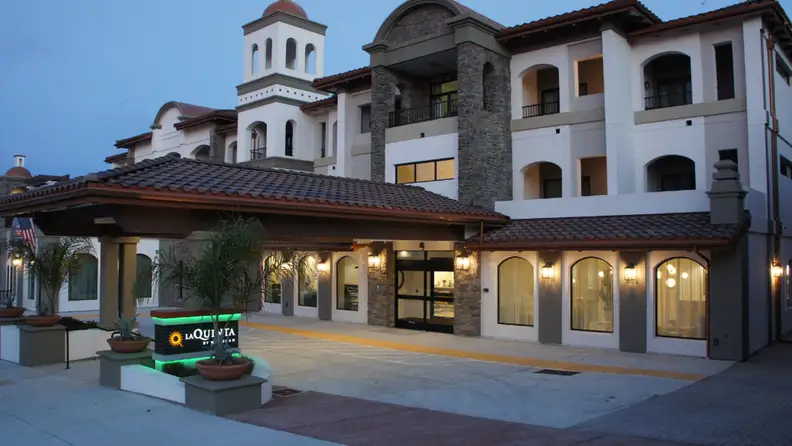
Traveling with a dog narrows your hotel options fast. A lot of budget chains either don’t allow pets or charge $50 to $75 per night extra, which quietly wrecks the savings you thought you were getting. La Quinta doesn’t charge a pet fee at most of its properties, and that single policy is the reason it earned a nomination from a golden retriever owner on the panel.
Breakfast is included at most locations too, and the properties cluster near highway exits in the South and Southwest—exactly where you’d want them at the end of a long day of driving with a dog who needs a walk.
Nominee #15: Spark by Hilton
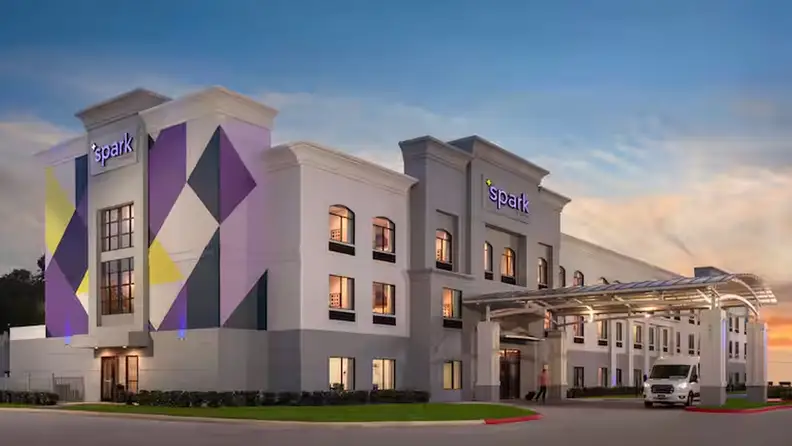
Spark is Hilton’s newest brand, and it was built by stripping everything out of a hotel except the bed, the shower, and the breakfast. There’s no restaurant. There’s no room service. The lobby is minimal. What you get is a clean room, a Hilton-quality mattress, and Hilton Honors points at a rate that undercuts even Hampton.
One evaluator acknowledged that it’s bare-bones—if you’re staying somewhere for more than a night, you’ll feel the absence of a closet and a decent workspace. But for the very specific use case of pulling off the highway, sleeping for six hours, eating breakfast, and getting back on the road, Spark is purpose-built.
Nominee #16: SpringHill Suites by Marriott
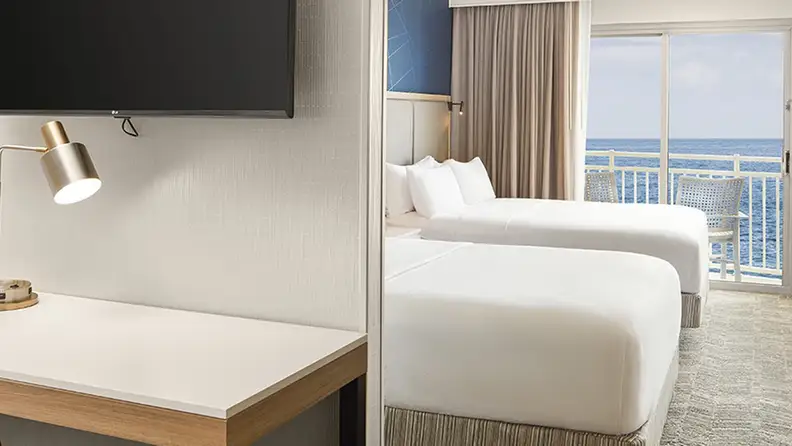
Every room at SpringHill Suites is a suite—separate living area, separate sleeping area, mini-fridge, microwave. The rate usually stays below what a standard room costs at a full-service Marriott, which makes the math feel like you’re getting away with something.
For families, that extra space changes the whole trip. Kids can spread out without being on top of you, and after they go to bed, you can sit on an actual couch and watch TV at a normal volume instead of lying in the dark two feet away trying not to breathe too loudly. The nomination specifically called it out for traveling with kids, and yeah—once you’ve done it, going back to a single room with two queens feels like a downgrade.
Nominee #17: Tru by Hilton
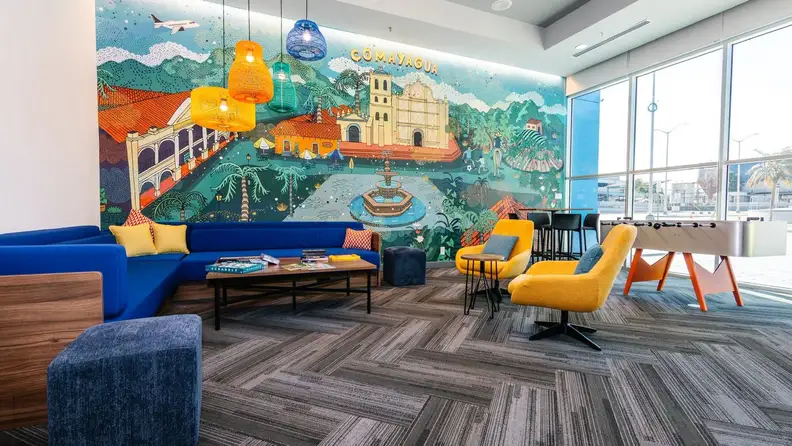
The rooms at Tru by Hilton are under 300 square feet, and they feel intentional about it. Everything has a place—the desk folds, the storage is built in, and the layout makes a small room feel functional rather than cramped. The lobby, meanwhile, has board games, a communal work area, and the kind of colorful wall murals that make you pause and wonder how a hotel this affordable ended up looking this good.
Tru passed 300 open properties worldwide in 2025 and recently rolled out a refreshed room design with better lighting and more storage. One evaluator’s caveat: there’s minimal closet space, so a week-long stay gets cramped. But for one or two nights at rates that regularly dip well below $100, Tru is doing something different with the budget hotel concept—and the line between “budget” and “just well-designed” is thinner here than anywhere else on this list.
Our Experts
Jo Clark

Clark has often been heard to say, “I’ll eat anything that doesn’t eat me.” A travel writer, photographer, podcaster, and food-and-wine enthusiast, she explores destinations one bite, sip, and story at a time. Her work appears in a variety of publications, including RecipesTravelCulture, where she shares discoveries ranging from roadside gems to unforgettable culinary experiences. She keeps her passport up to date, her suitcase close at hand, and her camera ready. Follow her adventures at @JoGoesEverywhere.
Susan Lanier-Graham

Lanier-Graham is an award-winning food, wine, and travel writer with more than three decades of experience exploring destinations around the world. She has visited luxury resorts, boutique properties, and hidden gems across six continents, bringing a discerning eye to every stay. As publisher of Wander With Wonder, she leads an award-winning digital publication that inspires readers to discover exceptional travel experiences. Her work blends firsthand insight with a passion for storytelling, offering trusted recommendations on where to stay, dine, and explore. Susan’s expertise helps travelers confidently choose destinations that transform trips into unforgettable, experience-rich journeys.
Ryan Slough

Slough is an award-winning travel journalist, photographer, and co-founder of Wanderers Compass. A U.S. Army Reserve Master Sergeant with more than 20 years of service, he has traveled to more than 60 countries across six continents. Ryan’s work combines firsthand experience with practical insights to help readers make informed travel decisions while encouraging respectful and immersive exploration. His writing and photography have been featured in numerous national and international publications, and he co-hosts the Wanderers Compass podcast alongside Joelle Machia.
Reviewed Editors & Experts

Reviewed editors and experts have hard-earned insights from a broad range of backgrounds, and our nomination panel includes independent researchers, subject-matter experts, and editorial team members. We provide unbiased, experiential editorial coverage on products, brands, and companies across the U.S.

 feature