 Credit:
Reviewed
The Best Women's Winter Coats of 2026
Products are chosen independently by our editors. Purchases made through our links may earn us a commission.
Credit:
Reviewed
Why trust Reviewed?
Reviewed's mission is to help you buy the best stuff and get the most out of what you already own. Our team of product experts thoroughly vet every product we recommend to help you cut through the clutter and find what you need.
Learn more about our product testing
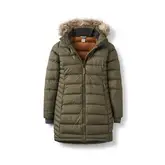
Rab Deep Cover Parka
Pros
- Made with 100% recycled fabric and down
- Windproof Pertex Quantum shell
- Removable hood and faux-fur trim
- Fleece-lined cuffs work well with gloves
Cons
- Not fully waterproof
- Mid-level warmth may not be enough for extreme cold
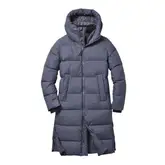
Outdoor Research Coze Down Parka
Pros
- Long length covers past the knees
- Blocks wind and moisture
- Side zips at the hem for easy walking
- Thumb-loop cuffs seal out drafts
Cons
- Contains PFAS
- Can’t ship to New York, California, or Colorado
- Not fully waterproof
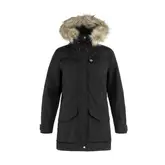
Fjällräven Nuuk Parka
Pros
- Waterproof, breathable lining
- Synthetic fill stays warm when damp
- 10 pockets for plenty of storage
- Fleece-lined storm hood with removable faux-fur trim
Cons
- Heavier than most down parkas
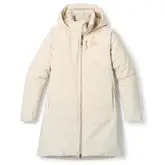
REI Co-op Stormhenge 850 Down Hybrid Parka
Pros
- Fully waterproof shell
- High-quality 850-fill down
Cons
- Boxy fit isn’t flattering on everyone
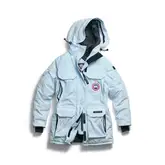
Canada Goose Expedition Parka
Pros
- Rated for temperatures of -30°C and below
- Durable, wind-blocking shell
- Hide-away snow skirt and rib-knit cuffs
- Plenty of roomy pockets
Cons
- Very expensive
- Dry clean only
-
Rab Deep Cover Parka
-
Outdoor Research Coze Down Parka
-
Fjällräven Nuuk Parka
-
REI Co-op Stormhenge 850 Down Hybrid Parka
-
Canada Goose Expedition Parka
-
Patagonia Down With It Parka
-
The North Face Arctic Parka
-
Columbia Suttle Mountain Long Insulated Jacket
-
Lands' End Expedition Down Waterproof Parka
-
Helly Hansen Winter Bliss Down Jacket
-
Arc'teryx Atom Hoody
-
Orolay Thickened Down Jacket
-
L.L.Bean Mountain Classic Down Parka
-
What to consider when buying a winter coat
-
FAQs
-
More articles you might enjoy
-
Related content
- Best Overall Women’s Winter Coat Rab Deep Cover Parka
- Best Women’s Winter Coat for Everyday Wear Outdoor Research Coze Down Parka
- Best Synthetic Parka Fjällräven Nuuk Parka
- Best Value Women’s Winter Coat REI Co-op Stormhenge 850 Down Hybrid Parka
- Warmest Women’s Winter Coat Canada Goose Expedition Parka
- Most Comfortable Women’s Winter Coat Patagonia Down With It Parka
- Best Waterproof Women’s Winter Coat The North Face Arctic Parka
- Best Long Women’s Winter Coat Columbia Suttle Mountain Long Insulated Jacket
- Best for Wet, Frigid Weather Lands' End Expedition Down Waterproof Parka
- Most Stylish Women’s Winter Coat Helly Hansen Winter Bliss Down Jacket
- Best Lightweight Women’s Winter Coat Arc'teryx Atom Hoody
- Best Budget Women’s Winter Coat Orolay Thickened Down Jacket
- Best Classic Parka L.L.Bean Mountain Classic Down Parka
- What to consider when buying a winter coat
- FAQs
- More articles you might enjoy
- Related content

The Rundown
- Our favorite women's winter coats are the Rab Deep Cover Parka and the Outdoor Research Coze Down Parka.
- A good winter coat needs to be well-insulated, durable, and weatherproof to protect against freezing temperatures, wind, and slush.
- Consider fill power, waterproof ratings, coat length for coverage, and ensure a comfortable fit that allows for layering.
Come winter, a good coat is one piece you’ll need every day. When you’re braving freezing temps, biting wind, and slushy sidewalks, you need something well insulated, durable, and ideally weatherproof to keep you warm and dry no matter what the forecast brings.
We’ve shopped around and rounded up the best women’s winter coats for every need and budget. Our top pick, the Rab Deep Cover Down Parka] (available at Amazon for $350.00) , balances warmth and everyday style. But there’s something here for everyone, whether you need waterproof protection, full-length coverage, or a lightweight layer.
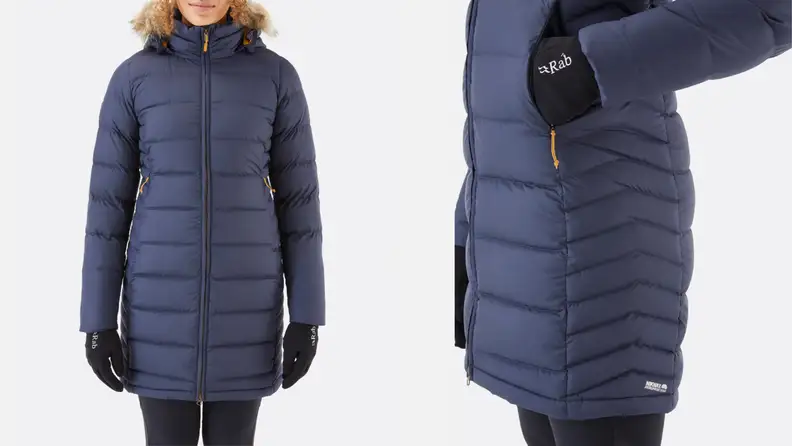

The Rab Deep Cover Down Parka pairs a flattering longer cut with water-resistant down and fleece-lined hand pockets.
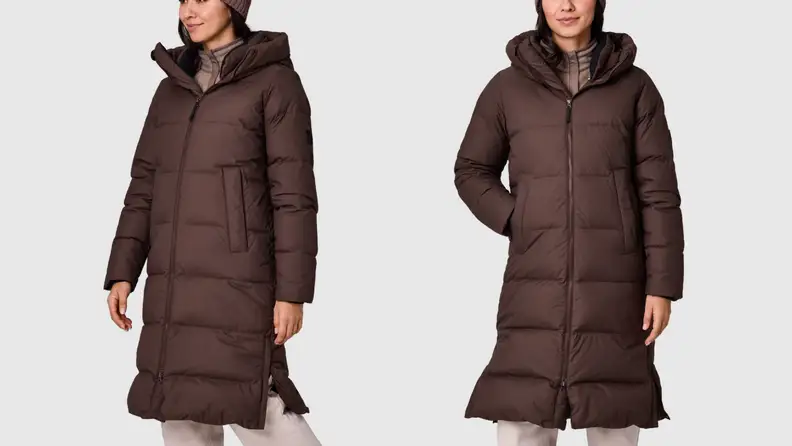
The full-length Outdoor Research Coze Down Parka has side zips at the hem so you can walk freely.
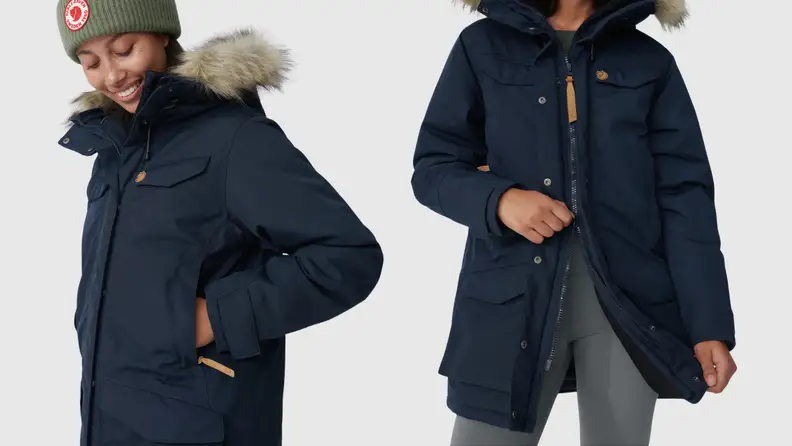
The Fjällräven Nuuk Parka keeps you warm even when it’s damp, thanks to its synthetic insulation.
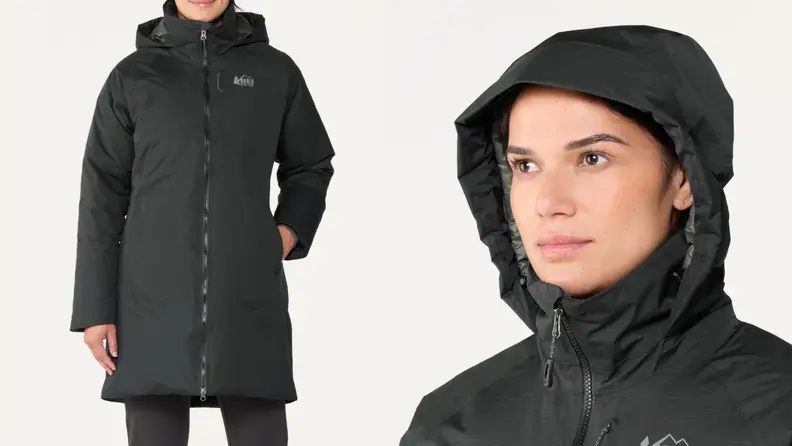
The REI Co-op Stormhenge 850 Down Hybrid Parka has a waterproof shell that’s built for rain and snow.
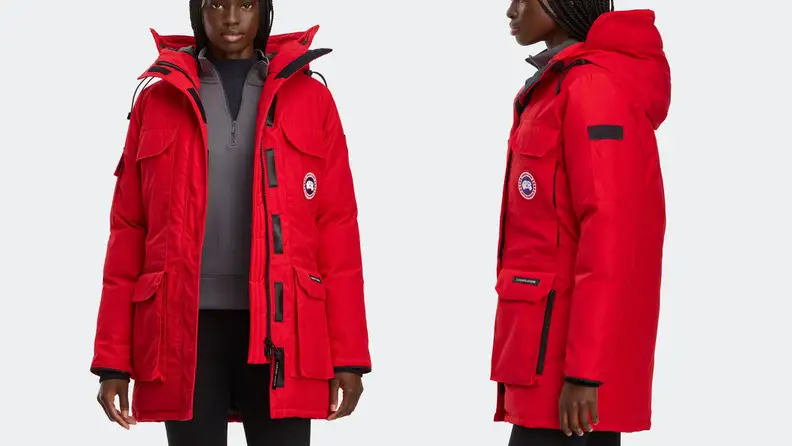
The Canada Goose Expedition Parka is rated for temperatures of -30 degrees C (-22 degrees F) and below.
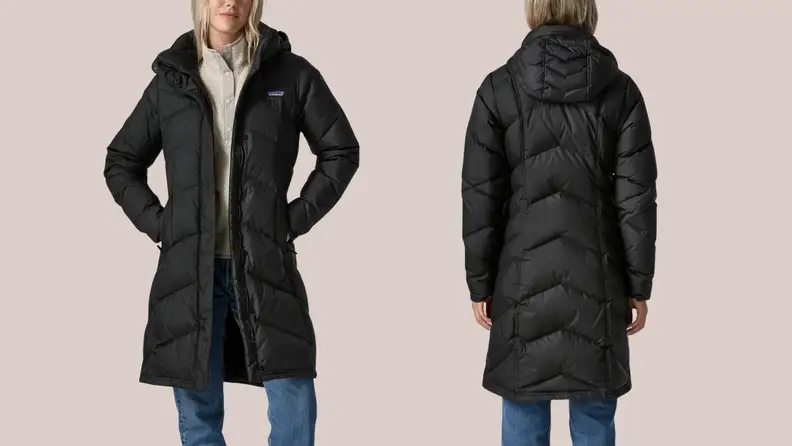
The knee-length Patagonia Down With It Parka delivers head-to-knee warmth without the bulk.
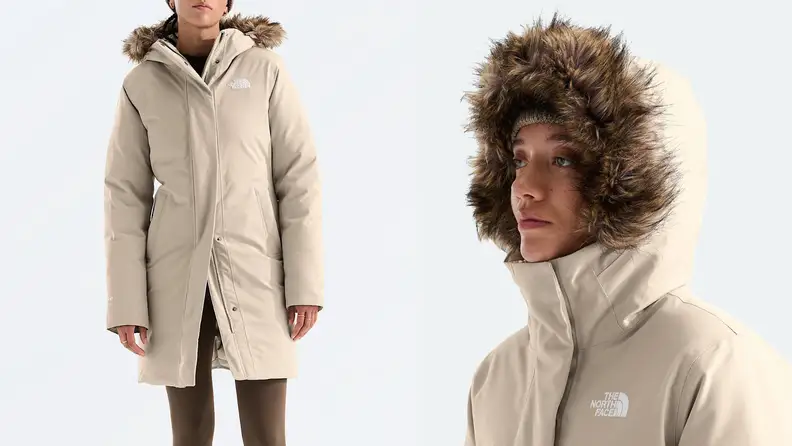
The North Face Arctic Parka’s waterproof, seam-sealed shell keeps out rain and slush.
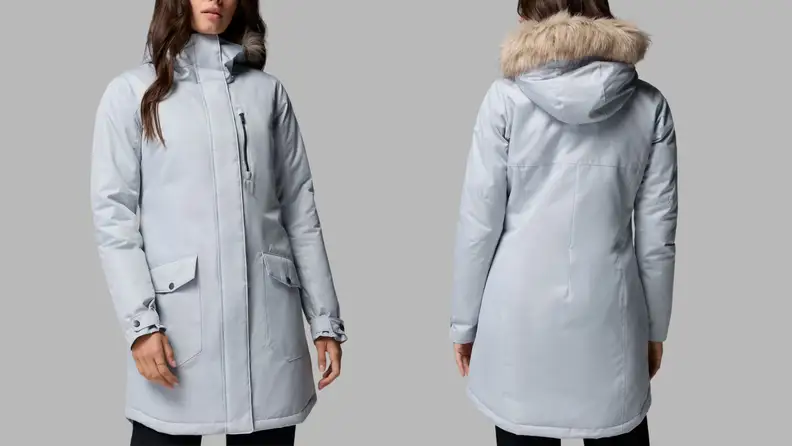
The Columbia Suttle Mountain Long Insulated Jacket hits an extra-long 36 inches for more coverage.
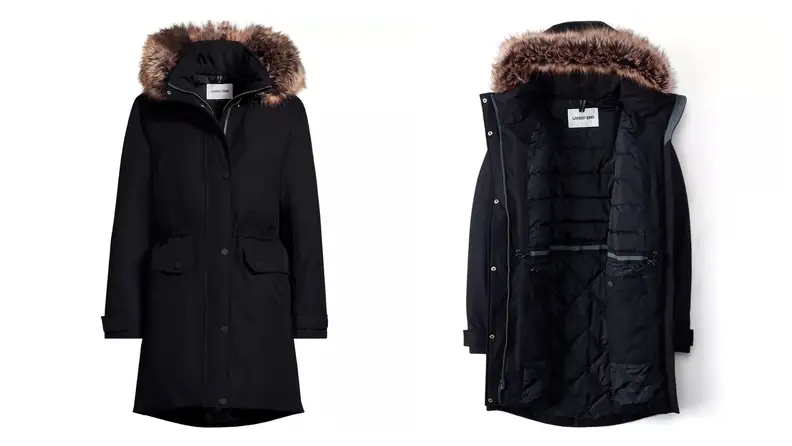
The Lands’ End Expedition Down Waterproof Parka pairs a waterproof shell with water-resistant down.
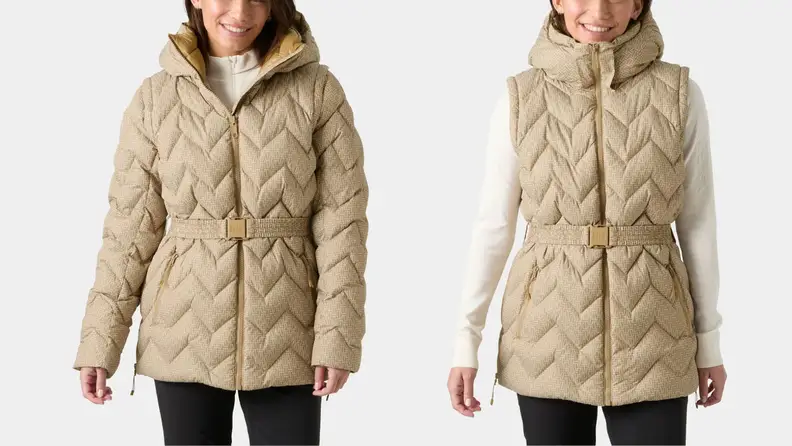
The Helly Hansen Winter Bliss Modular Down Jacket converts into a vest, so you can change up your look.
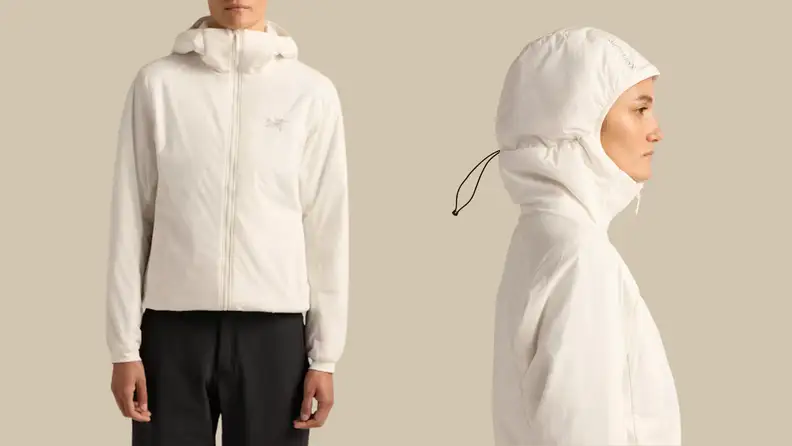
The lightweight Arc’teryx Atom Hoody works on its own or layered under a waterproof shell.
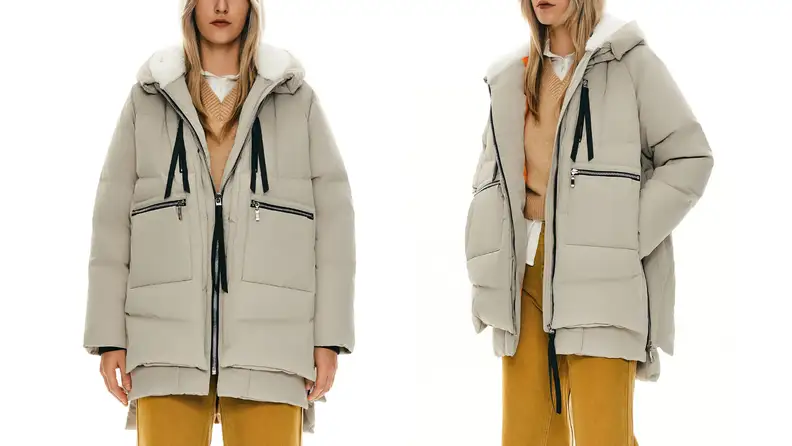
The viral Orolay Thickened Down Jacket, a.k.a. “the Amazon Coat,” has six large pockets and side zippers.
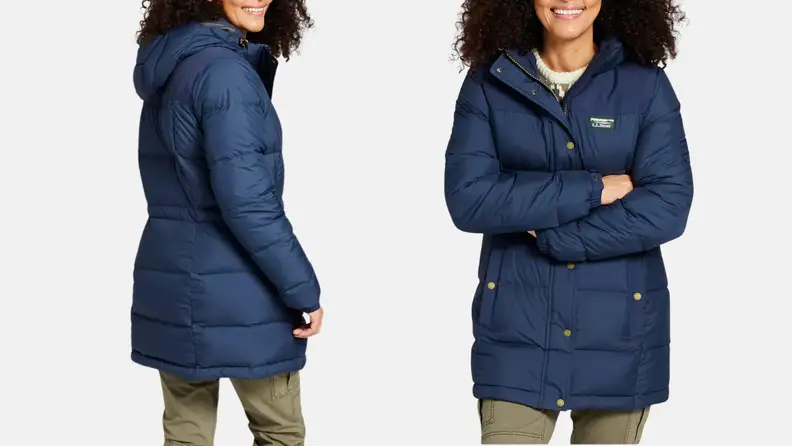
The L.L.Bean Mountain Classic Down Parka is a timeless pick with water-repelling DownTek insulation.
What to consider when buying a winter coat
Down vs. synthetic insulation
Down is the warmest insulation for its weight, and it compresses easily, so down coats tend to feel lighter and less bulky. Its weakness is moisture: Untreated down clumps and loses much of its insulating power when it gets wet. Many brands now treat their down to resist moisture, like the DownTek down in the L.L.Bean Mountain Classic Down Parka.
Synthetic insulation is usually a little heavier and bulkier for the same warmth, but it retains its insulating properties when it gets damp, dries faster, and costs less. If you live somewhere wet, or you want a coat that's easier to care for, a synthetic option like the Fjällräven Nuuk Parka or Arc'teryx Atom Hoody is worth a look.
Fill power
Fill power measures how much space 1 ounce of down fills, in cubic inches. The higher the number, the more loft and warmth the down provides for its weight. Most quality coats fall between 600 and 850 fill power. Keep in mind that fill power describes the quality of the down, not the amount. A coat with more 600-fill down can be warmer than one with less 850-fill down.
Waterproof vs. water-resistant
Water-resistant coats have a finish that sheds light snow and drizzle, but they'll soak through in steady rain or slush. Waterproof coats use a membrane or coated shell, usually with sealed seams, to keep water out completely. If your winters bring sleet and freezing rain as often as snow, look for a coat labeled waterproof, like The North Face Arctic Parka or the Lands' End Expedition Down Waterproof Parka.
Length & coverage
A longer coat keeps you warmer. Hip-length jackets are easier to move in and work well for driving, while thigh- and knee-length parkas protect your legs from wind and cold. If you spend a lot of time waiting for trains or walking in the cold, a longer coat like the Columbia Suttle Mountain Long Insulated Jacket is worth considering.
Warmth ratings
Some brands, including Canada Goose and Lands' End, give their coats temperature ratings. These can help you compare coats from the same brand, but there's no industry standard, so a coat rated to -20 degrees F by one company may not match another brand's rating. Your activity level, your layers, and the wind will all affect how warm a coat feels.
Fit & layering
Choose a size that leaves room for a sweater or fleece underneath without squeezing the insulation, since compressed insulation keeps you less warm. Check whether the brand describes the cut as slim, regular, or relaxed, and look at its size chart before you order.
Features
Small details make a big difference on cold days. Look for an insulated, adjustable hood; a two-way zipper for easier sitting and walking; storm cuffs or thumbholes to block drafts; and fleece-lined hand pockets. Interior pockets keep your phone warmer, which helps its battery last longer in the cold.
Responsible materials
If sustainability matters to you, look for down certified to the Responsible Down Standard (RDS) or a similar standard, which prohibits practices like live-plucking and force-feeding. Many of the coats on our list also use recycled shell fabrics or recycled down, and some brands, like Patagonia, have moved to PFAS-free water-repellent finishes.
FAQs
What is the warmest type of winter coat?
A long, down-filled parka with a windproof shell and an insulated hood will generally keep you the warmest. Look for a high fill power, plenty of fill, and features like storm cuffs and a snow skirt that seal out cold air. Expedition-style parkas, like the Canada Goose Expedition Parka, are designed for extreme cold.
What's the difference between a parka and a puffer?
A puffer is a quilted jacket with stitched baffles that hold its insulation in place, and it's often hip length. A parka is a longer coat, typically hitting at the thigh or knee, that usually has a hood and is designed for colder weather. Many coats are both, like a down parka with a quilted design.
Is down or synthetic insulation better?
It depends on your climate. Down is lighter and warmer for its weight, so it's best for dry cold. Synthetic insulation keeps you warm when it's damp and is easier to wash, so it's a better fit for wet, slushy winters.
What does fill power mean?
Fill power is the number of cubic inches 1 ounce of down fills. Higher numbers mean loftier, more efficient down that provides more warmth for its weight. A 700-fill coat will be lighter and more compressible than a 600-fill coat with the same warmth.
How should a winter coat fit?
You should be able to wear a sweater underneath and still move your arms freely without the coat feeling tight across your shoulders or back. Sleeves should reach your wrists when your arms are extended, and the hem should cover your waistband when you bend over.
Can you wash a down coat?
Many down coats are machine washable, but always check the care label first. Use a front-loading washer on a gentle cycle with a down-specific detergent, then tumble-dry on low with a few clean tennis balls or dryer balls to break up clumps and restore loft. Make sure the down is completely dry before you store the coat, since trapped moisture can cause mildew.
How long does a winter coat last?
A well-made down or synthetic coat can last many winters with proper care. Wash it only when needed, store it uncompressed on a hanger during the off-season, and repair small tears promptly to prevent insulation from escaping.
When is the best time to buy a winter coat?
Black Friday and Cyber Monday often bring discounts on outerwear. Prices typically drop even further at the end of the season, in late winter, as retailers clear out stock for spring.
More articles you might enjoy
- The best fleece-lined leggings on Amazon
- The best trench coats on Amazon
- The best winter boots for women
- The best kids’ sleeping bags
Related content
-

-
 The Best Workout Leggings & Yoga Pants of 2026
 best-right-now

 feature

Meet the tester

Veronica Gilligan
StackCommerce Copywriter
Veronica Gilligan is a valued contributor to the Reviewed.com family of sites.
Checking our work.
Our team is here to help you buy the best stuff and love what you own. Our writers, editors, and experts obsess over the products we cover to make sure you're confident and satisfied. Have a different opinion about something we recommend? Email us and we'll compare notes.
Shoot us an email