 Credit:
Reviewed

Products are chosen independently by our editors. Purchases made through our links may earn us a commission.
Yeah…it doesn’t look like electricity prices are coming down anytime soon. The U.S. Energy Information Administration expects the average residential rate to hit about 18.2 cents per kilowatt-hour in 2026, up from 17.3 cents in 2025.
Inflation can be staggering; you aren’t alone if you find yourself in the frozen pizza aisle wondering when it became more expensive to bake a pizza than to order delivery. While you might have some hope that inflation will decrease (eventually), there are a lot of reasons energy prices may remain high.
If you’re wondering why your electric bill is so high, there are steps you can take to bring costs down at home.
On average, American households spend about $147 a month on electricity bills. But that doesn’t have to be you. If you’re looking for how to lower your electric bill, here are 12 ways to start.
1. Save on electricity bills with a smart thermostat
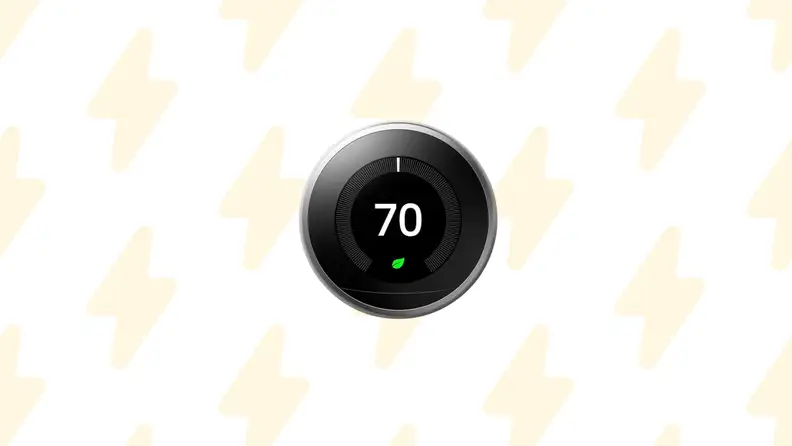
Swapping out your old thermostat for a smart version is the easiest way to make your home’s HVAC unit more efficient, says Clint Robertson, home improvement expert and American Standard Heating & Air Conditioning partner.
This change can help you shave about 12% off your heating bills and 15% off your cooling bills.
We recommend the Nest Learning Thermostat. But if you can’t budget for an upgrade right now, your current thermostat likely has handy programmable settings you can use, like the ability to turn down the heat at nighttime when you’re snuggled under your favorite comforter.
2. Look for the Energy Star label
Energy Star is a labeling program developed by the U.S. Department of Energy and the Environmental Protection Agency. To qualify for the label, appliances must meet or exceed minimum efficiency ratings.
Look for the designation on everything from kitchen appliances to water heaters and pool pumps. The label includes an annual cost-of-use estimation, which can help you budget realistically, keep your utility bills down, and reduce your energy use.
3. Seal and insulate your home
In the winter, much of the air moving through your home escapes through air leaks and poor insulation. That leakage can raise your heating and cooling bills and make your home less comfortable.
Weatherizing your home, which involves sealing and insulating, can help plug the leaks and save an average of 11% on your total energy costs every year. Look for leaks in the attic and basement, where the air most commonly escapes. Throughout the house, install weatherstripping around doors and windows, and caulk around outlets and pipes to further reduce utility costs.

4. Save energy with smart plugs
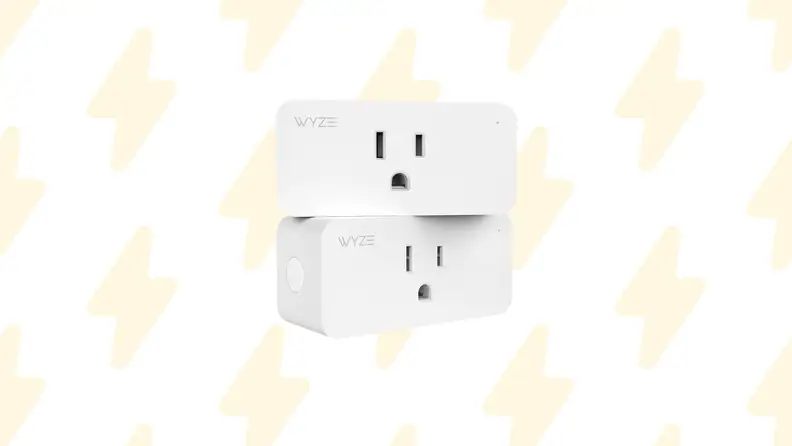
These days, most electronic devices use significantly less energy in standby mode than they used to, around 90% or more in many cases.
However, that doesn’t apply to certain older devices and some classes of newer units. One of the best tools we have to control how much electricity our home uses is a smart plug.
Smart plugs aren’t just for turning hard-to-reach strands of Christmas lights on and off with your voice (though that is a cool feature). These plugs let you schedule all the devices and lights in your home, so the lights turn off while you’re out of the house and the AC unit doesn’t run all day.
5. Install a greener ceiling fan
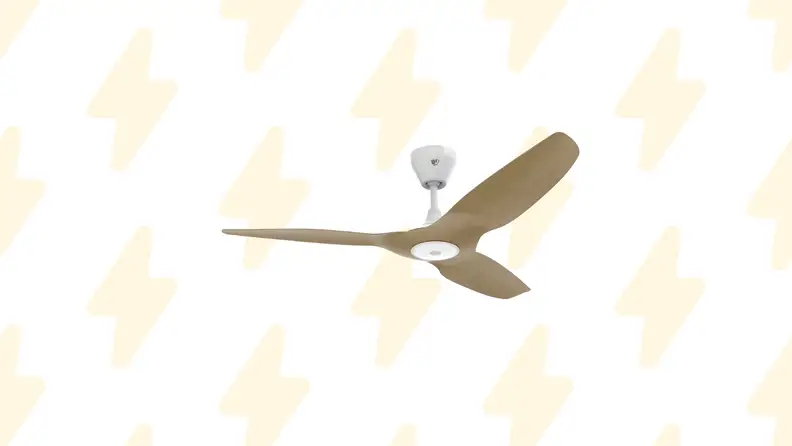
Ceiling fans are always better than AC when you’re looking to save money on electricity. However, some ceiling fans are better than others.
New ceiling fans are one of the best ways to save money on cooling a hot home, and they often sync with a smart-home ecosystem so you can schedule when they turn on and off, or start cooling right before you get home.

6. Update your AC and filters
Changing your air filters every 30 to 90 days “helps your HVAC operate properly rather than work overtime,” Robertson says. The advice applies to both portable AC units and classic window units. Replace these filters at least every three months for maximum efficiency, money savings, and improved air quality.
7. Upgrade to smart blinds
About three-quarters of the sunlight that comes through your windows turns into heat, which can make your air conditioner work harder in the summer. But Robertson says one simple trick to save on utilities can help you beat the heat.
“Closing windows, drapes, and blinds during the day—and opening them again when the sun goes down—is an easy and affordable way to help keep the house cool at all times,” he says.
You can even take it a step further with smart blinds, which are motorized shades that automatically adjust and can open and close on a set schedule.
8. Get an HVAC tune-up
Energy Star suggests hiring a contractor once a year to service your HVAC system. A tune-up costs about $275 on average, but it’s worth the price tag because it helps the HVAC system run efficiently and keep utility bills in check. It can also lengthen the life of your HVAC, which typically costs $5,000 to $12,500 to replace.
However, Robertson recommends considering a replacement if your system is more than 10 years old. Repairing your air conditioner, for example, typically costs $250 to $700, and bigger jobs like fixing a refrigerant leak can run up to $1,500. Meanwhile, a new, energy-efficient HVAC system can help lower your energy bills and improve airflow.
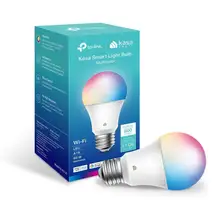
9. Change out light bulbs for smart bulbs
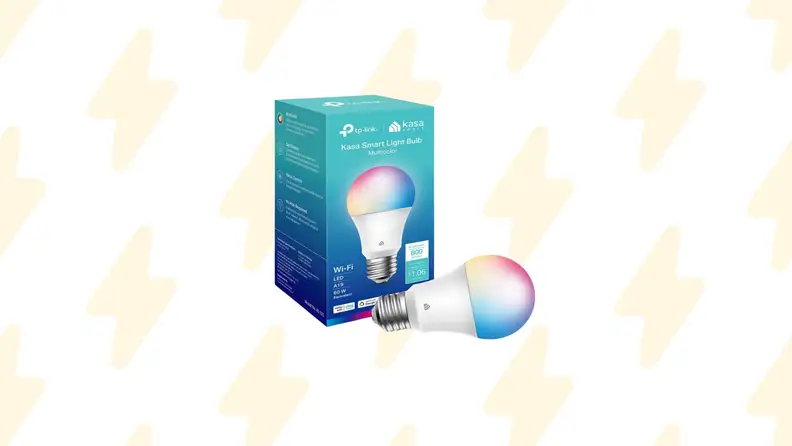
Switching to energy-efficient smart light bulbs is one of the easiest ways to cut your energy bills. Although LED bulbs cost more up front, they help you save money in the long run because they use less energy than traditional incandescent bulbs.
Shop for bulbs with the Energy Star label. According to the Department of Energy, the average household saves about $225 a year by switching to LED lighting.
10. Check for state energy-saving programs
Plenty of state and local programs offer money-saving incentives and ways to make your home more energy-efficient. To check out initiatives near you, head to the Database of State Incentives for Renewables & Efficiency and plug in your ZIP code.
Depending on your location, you may find tax credits, grants that don’t require repayment, loan programs, and energy audits.
In Massachusetts, for example, the Mass Save program connects homeowners with energy experts who visit their homes and identify ways to save energy. The program grants you access to free stuff like energy-efficient light bulbs, power strips, and shower heads.
11. Reduce humidity
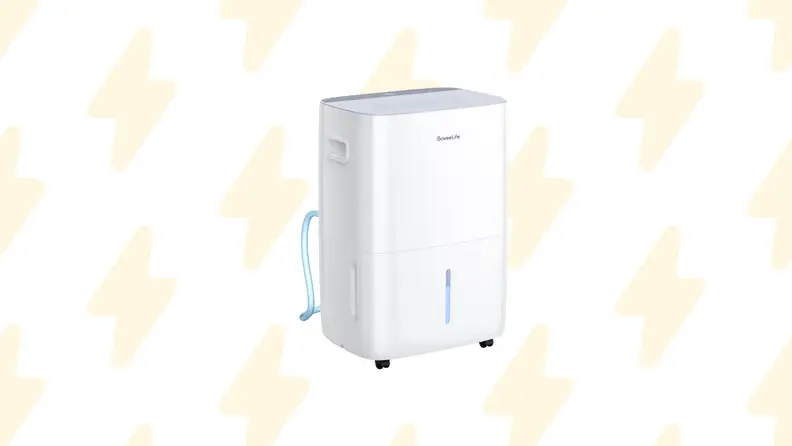
While humidity can make outdoor activities unpleasant, it can also wreak havoc inside the home.
“A humid house will make the air conditioning work harder and won’t be easy on the utility bill,” says Robertson, who co-hosted the HGTV show Boise Boys. Plus, humidity promotes the growth of mold and rot, which can lead to poor air quality, unsightly stains, and unpleasant odors.
Robertson recommends keeping your house at 30% to 50% humidity with these steps:
- Take shorter showers with cooler water.
- Cover pots and pans while cooking.
- Use dehumidifiers, which cost less than cooling the house.
In our tests, dehumidifiers reduced humidity by nearly 50% in about 1.5 hours.
12. Replace older appliances
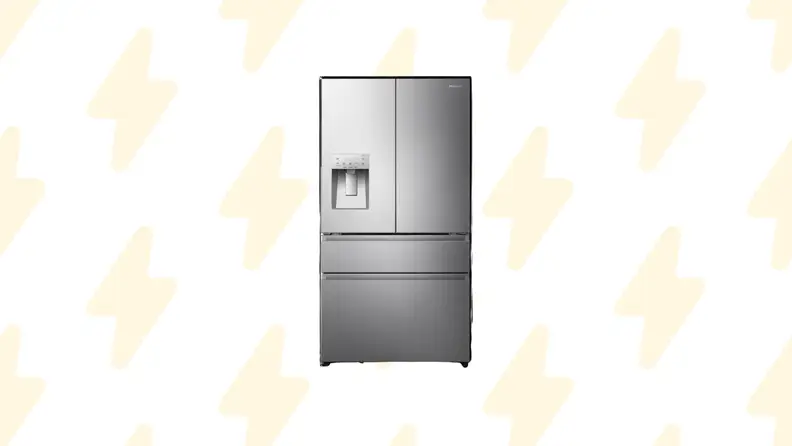
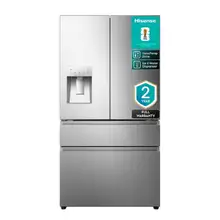
It might not be intuitive that splurging on a new refrigerator could be a value purchase that saves you money in the end. However, appliances have come a long way in the last 10 to 20 years in how much energy they use.
While purchasing a new fridge could cost you a significant sum up front, it could also save you $300 a year in energy costs, which adds up to quite a lot in the long term.
There are always more little ways to save on electricity around the home, which might involve throwing an extra blanket on the bed or opting for the newest generation of energy-saving technology. If you’re trying to revolutionize your home, check out our guide to electrifying the home and our energy efficiency and savings guide.

 feature